Enhancing Learning with the Curve of Forgetting: Strategies for Effective Recall
130 likes | 263 Vues
Our brains are wired to forget key information! Research shows that 40% of what you hear fades within 10 minutes, and 80% is forgotten by the next day. To combat this, start lessons with reviews, incorporate regular reflections, and structure sessions in short bursts (every 20 minutes). Make notes active through transformations, highlight important concepts, and regularly revisit learning materials. Enhance retention with active note-making and collaborative review strategies. Remember, effective recall leads to higher academic achievement.


Enhancing Learning with the Curve of Forgetting: Strategies for Effective Recall
E N D
Presentation Transcript
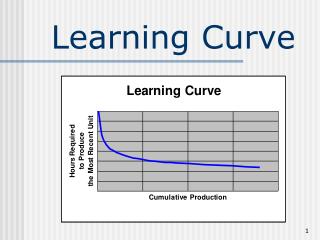
The Curve of Forgetting Our brains are designed to forget! You will forget 40% of what you hear tonight 10 minutes after you leave. 80% will be gone by this time tomorrow
Implications • Start of the lesson – Review, Reflect • Study homework set – Revisit • Structure of the lesson – Lots of starts • End of the lesson – Cement the learning
Start - First 10 minutes Review/Reflect • In your review/revision/learning journal think about yesterday’s lesson – Jot down 3 things that you remember as important – Sometimes I do this verbally • Yesterday we talked about lighting – Write an essay question that would allow you to use the information you know • Jot down 2 things you need more information on • Test your memory – 2 quotes you remember • Imagine you have been asked to write an essay on….write the first paragraph Share and record
Pick one lesson from today – What could your 10 minute start to the lesson look like tomorrow
Study Homework set – 10-15 minutes Revisit • Create a cue card for …. • Do an essay plan for the following topic • Review your notes, highlight key words • Create essay question • Turn notes into a diagram or flowchart • Make a poster for your bedroom • Make up an acronym to remember information • Write out quotes – use 2 different colours – One for the really important words OR - Pre-reading for tomorrow’s lesson
Pick one lesson from today and set a 10-15 minute study session
Structure of the lesson – ‘starts’ – every 20 minutes STOP every 20 minutes or so and give them opportunities to reflect Even if they are just going on with an assignment
End of the lesson – cement 5-10 minutes • In pairs…… • Plan how you will revise this info tonight • As a class – quick verbal brainstorm of what you learned today • Reflect on yourself as a learner
Note taking Note making • Note Taking – Passive • Copying notes from the board • Taking down anything interesting they have heard Only the first step in the process – It must lead to note making • Note Making – Active • Reduce them • Highlight them • Transform them Must be regularly reviewed
What does the research say on note taking? Students who review in pairs achieve higher academic results Bligh 1998 Amount/quality of note taking/note making relates to higher academic achievement Brenton 1997
Now over to you • Note making – cement our learning • Highlight key words in your notes • Make notes on your notes • Review - tonight • Reflect on the information today and restructure one of your lessons for tomorrow with the curve in mind