Download
1 / 59
600 likes | 754 Vues
Obesity is a significant public health issue, affecting over 127 million adults in the U.S. and representing the second leading preventable cause of death. With a growing trend in obesity, associated health risks, including heart disease and diabetes, escalate healthcare costs. Understanding energy balance—how energy intake compares to energy expenditure—is crucial in addressing weight control. This information on obesity statistics, health implications, and the physiological mechanics of energy metabolism can guide individuals toward healthier lifestyle choices and better weight management.

E N D
Obesity is a Growing Problem • 127 million adults in the U.S. are overweight, 60 million obese, and 9 million severely obese. • 64.5 percent of U.S. adults are overweight (BMI≥25) • 30.5 percent are obese (BMI≥30) • 4.7 percent are severely obese (BM≥40)
Obesity Trends* Among U.S. AdultsBRFSS, 1985 Source: Mokdad A H, et al. J Am Med Assoc1999;282:16, 2001;286:10.
Obesity Trends* Among U.S. AdultsBRFSS, 2001 Source: Mokdad A H, et al. J Am Med Assoc1999;282:16, 2001;286:10.
Obesity: A Major Health Issue • Obesity is the No. 2 preventable cause of death and disability (smoking is #1) • Obesity is associated with increased risk of heart disease, stroke, gallbladder disease, cancer, osteoarthritis, sleep apnea • Obesity-related health problems cost $75 billion annually (2003 data) • The public pays about $39 billion a year -- or about $175 per person -- for obesity through Medicare and Medicaid programs
Health Risks of Obesity • Cardiovascular disease • Cancer • Hypertension • Bone/joint disorders • Type 2 diabetes
Energy Balance Relationship between energy intake and energy expended • Positive energy balance • Energy intake > energy expended • Results in weight gain • Negative energy balance • Energy intake < energy expended • Results in weight loss
Estimating Kcal Content in Food • Bomb calorimeter • Burns food inside a chamber surrounded by water • Heat is given off as food is burned • The increase in water temperature indicates the amount of energy in the food
Use and Storage of Fat • Most fat is stored directly into adipose tissue • Body has unlimited ability to store fat (as fat) • Fat will remain as fat for storage • Physical activity encourages the burning of dietary fat
Use and Storage of CHO • Limited CHO can be stored as glycogen • Most CHO is used as a energy source to meet immediate energy needs • Excessive CHO will be converted to fat (for storage) • Body prefers to use CHO as energy source • Only excess intake of CHO and protein will be turned into fat
Use and Storage of Protein • Protein is primarily used for tissue synthesis • Excess protein is used for energy • Some protein will be synthesized into fat (for storage) • Protein cannot be stored as protein
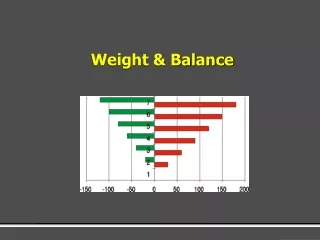
Energy In Vs. Energy Out NEAT Basal Metabolism Dietary Intake Physical Activity Thermic Effect of food
Basal Metabolism • The minimum energy expended to keep a resting, awake body alive • ~60-70% of the total energy needs • Includes energy needed for maintaining a heartbeat, respiration, body temperature • Amount of energy needed varies between individuals • Approximately 0.9 kcal/kg/hr
Estimate Basal Metabolism Female: Wt (kg) x 0.9 kcals/hour x 24 50 kg (110 lb) x 0.9 x 24 = 1080 kcals Male: Wt (kg) x 1 kcal/hour x 24 100 kg (220 lb) x 1 x 24 = 2400 kcals
Calculate Your BMR ________ x ______ x 24 = ____ kcals/day This is only an estimate!!
Factors that Increase Basal Metabolism • Body surface area (weight, height) • Male gender • Body temperature • Thyroid hormone • Nervous system activity • Kcal intake • Pregnancy • Use of caffeine and tobacco
Factors that Decrease Basal Metabolism • Age • – 2% drop each decade after 30 • Low calorie diet • 10-20% decrease
Physical Activity • Increases energy expenditure beyond BMR • Varies widely among individuals • More activity, more energy burned • Lack of activity is the major cause of obesity
Thermic Effect of Food (TEF) • Energy used to digest, absorb, and metabolize food nutrients • “Sales tax” of total energy consumed • ~5-10% above the total energy consumed • TEF is higher for CHO and protein than fat • Less energy is used to transfer dietary fat into adipose stores
Nonexercise Activity Thermogenesis (NEAT) • Nonvoluntary physical activity triggered by overeating • Fidgeting • Maintenance of muscle tone • Maintenance of posture • Overeating increases sympathetic nervous system activity • Resists weight gain
Measurement of Body’s Energy Needs • Direct calorimetry • Measures heat output from the body using an insulated chamber • Expensive and complex • Indirect calorimetry • Measures the amount of oxygen a person uses • A relationship exists between the body’s use of energy and oxygen
Food Guide Pyramid Energy Estimates • 1600 kcals – sedentary women, some older adults • 2200 kcals – Children, teen girls, active women, most men • 2800 kcals – teen boys, active men, very active women
Food Guide Pyramid Calorie Estimates • Sedentary: 25-30 kcal/kg • Moderate activity: 35 kcal/kg • Heavy activity: 40 kcal/kg
What is a Healthy Body Weight? • Based on how you feel, weight history, fat distribution, family history of obesity-related disease, current health status, and lifestyle • Current height/weight standards only provide guides
A Healthy Body Weight • What is the lowest weight maintained for more than a year as an adult? • What weight was maintained without constantly feeling hungry? • Establish a “personal” healthy weight
Body Mass Index (BMI) • The preferred weight-for-height standard • Calculation: Body wt (in kg) OR Body wt (in lbs) x 703.1 [Ht (in m)]2 [Ht (in inches)]2 Health risks increase when BMI is > 25
BMI is Not a Measure of Body Fatness Height 6'3" Height 6'3" Weight 220 lbs Weight 220 lbs BMI 27.5 BMI 27.5
BMI Does Not Measure Body Fat • However, most people with high BMIs are overfat
Overweight (BMI 25-30) Monitor for • Hypertension • Elevated LDL-cholesterol • Family history of obesity, CVD, certain cancers • Pattern of fat distribution • Elevated blood glucose: diabetes, insulin resistance
Perspective on Weight • Unrealistic goals • Listen to body’s cues (for hunger) • Eat a healthy diet • Physical activity • “Size acceptance”
Obesity • Excessive amount of body fat • Women with > 35% body fat • Men with > 25% body fat • Increased risk for health problems • Are usually overweight, but can have healthy BMI and high % fat • Measurements using calipers
Estimation of Body Fat • Underwater weighing Most accurate • Fat is less dense than lean tissue • Fat floats • Problems with • Children • Elderly • Very large • Fear of water
Estimation of Body Fat • Bioelectrical impedance • Low-energy current to the body that measures the resistance of electrical flow • Fat is resistant to electrical flow; the more the resistance, the more body fat you have • DEXA (dual x-ray photon absorptiometry) • An X-ray body scan that allows for the determination of body fat • Infrared light • Assess the interaction of fat and protein in the arm muscle
Skinfold Thickness Accurate with • Training • Good calipers • Multiple sites • Multiple measurements
Surgical risk Lung (pulmonary) disease Sleep apnea HTN CVD Bone and joint disorders (gout, osteoarthritis) Gallstones Cancers (breast, colon, pancreas, gallbladder) Infertility Pregnancy- difficult delivery Reduced agility Early death Health Problems Associated with Excess Body Fat
Desirable % Body Fat • Men: 8-25% • Women 20-35%
Body Fat Distribution Upper-body (android) obesity--apple shape • Associated with more heart disease, HTN, Type II Diabetes • Abdominal fat is released right into the liver • Encouraged by testosterone and excessive alcohol intake • Defined as waist measurement of > 40” for men and >35” for women
Body Fat Distribution Lower-body (gynecoid) obesity--Pear shape • Encouraged by estrogen and progesterone • After menopause, upper-body obesity appears • Less health risk than upper-body obesity
Juvenile-Onset Obesity • Develops in infancy or childhood • Increase in the number of adipose cells • Adipose cells have long lifespan and need to store fat • Makes it difficult to lose the fat (weight loss)
Adult-Onset Obesity • Develops in adulthood • Fewer (numbers of) adipose cells • These adipose cells are larger (store excess amount of fat) • If weight gain continues, the number of adipose cells can increase
Causes of Obesity Nature vs Nurture • Identical twins raised apart have similar weights • Genetics account for ~40%-70% of weight differences • Genes affect metabolic rate, fuel use, brain chemistry, body shape • Thrifty metabolism gene allows for more fat storage to protect against famine
Nature vs Nurture Obesity tends to run in families • If both parents are normal weight – 10% chance of obesity in offspring • If one parent is obese – 40% chance • If both parents obese – 80% chance Is it genetics or learned eating behavior?
Causes of Obesity Nurture debate • Environmental factors influence weight • Learned eating habits • Activity factor (or lack of) • Poverty and obesity • Female obesity is rooted in childhood obesity • Male obesity appears after age 30
Nature and Nurture • Obesity is nurture allowing nature to express itself • Location of fat is influenced by genetics • A child of obese parents must always be concerned about his weight
Nature and Nurture • The influence of environment is apparent in the fact that the prevalence of obesity has increased dramatically in the US in the past 40 years