Understanding Communication: The Essentials of Sending and Receiving Messages
Communication is a vital process involving the sending and receiving of messages to achieve understanding. Whether awake or in the presence of others, individuals are constantly communicating. Essential components include the sender, who encodes the message, and the receiver, who decodes and provides feedback. Different types of communication—interpersonal, intrapersonal, group discussions, public, and mass communication—serve various purposes. However, barriers such as attitudinal, social, educational, cultural, and environmental factors can hinder effective communication.

Understanding Communication: The Essentials of Sending and Receiving Messages
E N D
Presentation Transcript
Communication • The process of sending and receiving messages • Must achieve understanding • Whenever you are awake and in the presence of others, you are communicating!
The Communication Model Message Reciever Sender Feedback
Vocabulary • Sender: transmits the message • Speaker, author, artist, etc • Encode: The sender decides how to transmit the message • Message: what is sent or said • Words, body language, symbols, etc
More Vocab • Receiver: intercepts, decodes, & interprets the message. Sends feedback • Decode: The receiver translates the message • Feedback: reaction to the message to show understanding
Types of Communication • Interpersonal: between two or more people • Intrapersonal: inward - “talking” to yourself • Group Discussions: 3 or more people with a common task • Public Communication: communicating with an audience • Mass Communication: communicating with a large number of “listeners” • Newspapers, radio, tv, magazines, Internet
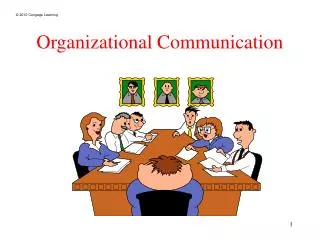
Barriers to Communication • Barrier: Also called “noise” is any obstacle that gets in the way of effective communication • Attitudinal: “I don’t like what we are talking about” • Social: “This person is not one of my friends” • Educational: “I am too smart to listen to this guy” • Cultural: “This person is not like me at all” • Environmental: “It is too cold in here”
Message Reciever Sender Noise Feedback