How Digital Workplace Solutions Simplify Workflows
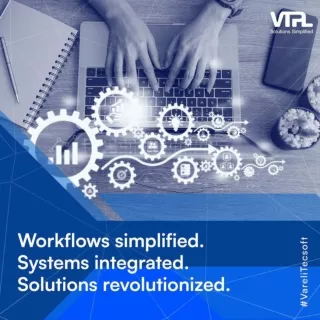
In todayu2019s fast-paced business landscape optimizing workflows is no longer optional u2014 itu2019s essential. Digital workplace solutions are transforming how organizations operate by fostering collaboration enhancing productivity and streamlining efficiency. These comprehensive services leverage cutting-edge technologies turning traditional workplaces into dynamic digital environments with seamless communication and workflows.


How Digital Workplace Solutions Simplify Workflows
E N D
Presentation Transcript
In today’s fast-paced business landscape optimizing workflows is no longer optional —it’s essential. Digital workplace solutions are transforming how organizations operate by fostering collaboration enhancing productivity and streamlining efficiency. These comprehensive services leverage cutting-edge technologies turning traditional workplaces into dynamic digital environments with seamless communication and workflows. Whether you’re managing a hybrid team or operating entirely remotely, digital workplace solutions offer the tools needed to keep employees connected and productive. Let’s explore how these solutions simplify workflows and why they are crucial for your business.
How Digital Workplace Solutions Simplify Workflows 1.Centralized Communication Unified platforms like Microsoft Teams and Slack integrate messaging, video conferencing and file sharing. Eliminates the need for juggling multiple tools ensuring everyone stays on the same page. 2. Automated Processes with Chatbots Chatbots handle repetitive tasks like answering FAQs managing schedules and processing requests. This frees up employees’ time for more strategic work reducing bottlenecks in workflows. 3. Digital Labor and AI-Powered Tools Robotic Process Automation (RPA) automates routine tasks such as data entry and report generation. AI-driven insights help managers make informed decisions faster. 4. Seamless Collaboration Across Teams
Cloud-based platforms enable real-time collaboration on documents and projects. Version control and accessibility features ensure smooth teamwork even across different time zones. 5. Digital Employees for Enhanced Productivity Virtual assistants like AI-driven digital employees manage tasks like meeting coordination and compliance tracking. They act as 24/7 support agents, keeping workflows uninterrupted. 6. Integrated Analytics Built-in analytics tools provide actionable insights into workflow efficiency and team performance. Helps identify areas for improvement and optimize resource allocation. Real-Life Use Cases of Chatbots in Workflows Chatbots are revolutionizing workflows across various industries by automating repetitive tasks and providing instant support. Some notable examples include:
Customer Support: Chatbots in retail and e-commerce handle customer inquiries, process returns and offer product recommendations reducing response times and improving customer satisfaction. Human Resources: Chatbots simplify HR workflows by automating leave requests, answering employee queries and assisting in onboarding processes. Healthcare: Virtual assistants streamline patient scheduling, provide reminders and support administrative staff by reducing manual workload. By integrating chatbots into workflows, businesses can improve efficiency while maintaining a high standard of service. The Role of Digital Labor in Scaling Operations Digital labor, powered by technologies like RPA is a game-changer for businesses looking to scale operations efficiently. Here’s how: Handling High Volumes: Digital labor can process large volumes of data, such as invoices or payrolls with speed and accuracy reducing the need for manual intervention. Consistency and Accuracy: Unlike human employees, digital labor performs tasks without fatigue ensuring consistent quality.
Cost Savings: Automating repetitive tasks reduces operational costs allowing businesses to allocate resources more effectively. For example, in the financial sector, RPA can handle compliance checks and transaction monitoring enabling faster and more reliable operations. Digital Employees: The 24/7 Workforce Digital employees, often powered by AI act as virtual team members that enhance productivity and efficiency. Their key contributions include: Task Management: Digital employees can schedule meetings, send reminders and track project deadlines ensuring nothing falls through the cracks. Round-the-Clock Operations: They work tirelessly providing support to global teams across different time zones without interruptions. Data Analysis: By analyzing large datasets digital employees provide actionable insights that help teams make informed decisions. For instance, digital employees in customer service can handle inquiries outside regular working hours ensuring consistent support for clients worldwide.
Digital Workers: Bridging Technology and Human Roles Digital workers are a subset of digital labor but are more advanced, operating as AI-driven entities that replicate human roles. They don’t just perform repetitive tasks; they also contribute to cognitive functions and decision-making processes. Key features include: Autonomous Decision-Making: Unlike basic automation digital workers can analyze data, interpret results and take appropriate actions based on context. Dynamic Problem-Solving: They adapt to new situations and learn over time becoming more efficient and effective in their roles. Collaborative Capabilities: Digital workers can seamlessly interact with human employees enhancing teamwork and productivity. Also read: What Are Digital Workers? Breaking Down Their Role in Automation and Beyond Across Industries Finance: Digital workers review and approve loan applications by analyzing customer profiles and risk factors. Healthcare: They support diagnostics by analyzing medical images and providing preliminary reports to doctors.
Customer Service: Digital workers handle escalated cases that require context-aware responses reducing customer churn. By integrating digital workers, businesses can achieve a seamless blend of human creativity and machine efficiency. Challenges and Best Practices for Implementing Digital Workforce Solutions While digital workforce solutions offer immense benefits, their implementation comes with challenges. Here are some common hurdles and how to overcome them:
Resistance to Change: Employees may fear job displacement or struggle to adapt to new technologies. Solution: Provide comprehensive training and emphasize how these tools complement rather than replace human efforts. Integration Issues: New tools may not seamlessly integrate with existing systems. Solution: Choose solutions with robust integration capabilities and seek expert assistance during implementation. Data Security Concerns: Increased reliance on digital tools can raise cybersecurity risks. Solution: Invest in secure platforms and educate employees on best practices for data protection. A phased rollout and continuous feedback from employees can ensure a smoother transition to a digital workplace. Ethical Considerations and the Human-Digital Balance The rise of digital labor and AI-driven tools has sparked discussions about their impact on human jobs. While automation may replace some roles, it also creates new opportunities:
Upskilling Opportunities: Employees can focus on higher-value tasks such as strategic planning and creative problem-solving. Collaboration Between Humans and AI: Digital tools enhance human capabilities creating a symbiotic relationship that boosts productivity. Job Creation: New roles emerge in areas like AI development, data analysis and digital workplace management. Maintaining a balance between automation and human involvement ensures that technology enhances rather than replaces the workforce. Why Your Business Needs Digital Workplace Solutions Improved Productivity: Streamlined workflows mean less time wasted on manual tasks and more focus on core business objectives. Enhanced Employee Experience: With user-friendly tools and reduced frustration from disjointed systems employees feel more engaged and motivated. Cost Efficiency: Automation and AI reduce operational costs by minimizing errors and maximizing efficiency. Scalability: Digital solutions grow with your business adapting to changing needs and increasing demands.
Business Continuity: Secure cloud-based systems ensure uninterrupted operations even during disruptions. Insights for the Future AI Integration: Expect AI to play an even bigger role in predictive analytics, task automation and decision-making support. Increased Personalization: Digital tools will adapt to individual employee preferences offering tailored experiences.
Hybrid Work Optimization: Solutions will focus on creating parity between remote and in-office employees for equitable collaboration. Sustainability Focus: Digital workplaces will prioritize eco- friendly practices, reducing paper use and commuting. Impact Organizational Agility: Businesses can adapt quickly to market changes with streamlined operations. Enhanced Innovation: Employees freed from mundane tasks have more time to focus on creative solutions and innovation. Global Collaboration: Teams can work together across borders without compromising efficiency or communication. Closing Thoughts Digital workplace solutions are a necessity in today’s competitive and ever-changing environment. By simplifying workflows enhancing productivity and fostering collaboration, these solutions empower organizations to achieve their goals with agility and precision. Embrace the future of work by integrating digital workplace solutions into your business strategy. The result? A smarter, more efficient organization ready to tackle tomorrow’s challenges today.