Download
1 / 7
70 likes | 200 Vues
This analysis, led by Senior Economist John Anderson, evaluates the transition from current fisheries management measures to potential scenarios under the new Common Fisheries Policy Landings Obligation (LO). It aims to determine the new equilibrium between fleet and onshore capacity, assess challenges for industry and government, and estimate economic performance across fleet segments. Areas of investigation include choke species, quota trading, and implications for the UK fisheries system. The report will also address onshore market dynamics, species diversity, and business viability.

E N D
Landings Obligation EIA John Anderson Senior Economist
New evidence base and analytical output • Comprehensive Economic Impact Assessment (EIA) of a move from status quo fisheries management measures to various potential scenarios under the new CFP Landings Obligation (LO). The analysis aims to provide: • An overall assessment of the likely new equilibrium ‘balance’ situation between fleet capacity, onshore capacity, and the new fishing opportunities available under the LO • Sufficient evidence base for input into the formulation of adequate regional (demersal) discard plans that will need to be submitted to COM in mid-2015 • Identification of key challenges for industry and government
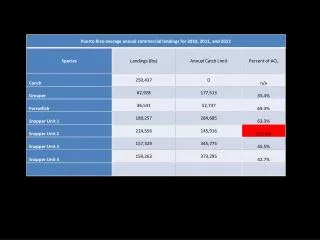
Catching sector • Economic performance estimates for individual fleet segments under the LO, taking into account potential for quota trading plus the various flexibilities and exemptions • Areas of investigation will include: • Analysis of ‘choke’ species and affectedfleet segments after ‘uplift’ • Assessment of the potential for quota trading to avoid choke scenarios • De minimis – potential for application at fleet segment level • Implications of altering the ordering of application of quota leasing, flexibility and exemption mechanisms • Compatibility issues with the UK FQA system: • a) Allocation within the UK to DA’s and DA’s to PO’s, U10m and non-sector etc • b) Conversion factors for 9% flex(cod equivalents, tonnage, value etc) • c) Phased introduction for target vs. non target species for different fleets
Onshore sector • Onshore IA to take place once LO fishing opportunities established in the fleet IA. • Assessment will focus on changes in: • Species types (i.e. new diverse species) and volumes (i.e. potential for new markets) • Size and quality of fish landed, market prices • Timing, continuity and geographical location of landings - ability to meet status quo demand • Number, scale, location, structure and viability of onshore businesses • Imports and infrastructure • Opportunities for market development and identification of key barriers to development
Outline of tasks / work packages • Task 1: Fleet segmentation and status quo analysis - UNDERWAY • Task 2: Choke analysis • Task 3: Consult on likely management responses / approach to dealing with choke issues • Task 4: Consult on likely responses of vessel owners • Task 5: EIA of LO on catching sector - based on outcome of tasks 1-4 • Task 6: Onshore / processing status quo analysis – UNDERWAY • Task 7: Consult on likely routes to market for new volumes and species • Task 8: EIA of LO on onshore sector • Task 9: Reporting– FEBRUARY 2015
Thoughts / comments / suggestions welcome john.anderson@seafish.co.uk 0131 524 8662