Genetics and Genetic Engineering
This overview covers foundational terms in genetics and genetic engineering, including cloning, DNA manipulation, and the role of enzymes. Key concepts such as genes, mutations, and methods like electrophoresis and gel electrophoresis are defined, alongside techniques for DNA transfer and recombinant DNA technology. Understanding these terms is crucial for comprehending the mechanisms of heredity, gene expression, and the advancements in genetic modification that influence modern biology and biotechnology.

Genetics and Genetic Engineering
E N D
Presentation Transcript
terms • agar- porous gelatin like material used as a support matrix for living cells in artificial environments
centrifuge • device for separating substances on the basis of density
clones • organisms or cells of nearly identical genetic makeup derived from a single source
complementary • containing structures that match or bond with related structures
electrophoresis • technique used to separate migrating molecules in an electrical field
Excise • to remove a part by a process similar to cutting
Expression • the appearance of a trait directed by a gene
Genetic code • a series of three nucleotide bases that determine the amino acid order and the proteins formed in cell reproduction
Genetic Engineering • technology involved in removing, modifying, or adding genes to a DNA molecule
Genetics • science dealing with passage of traits from one generation to another
Host • a cell or organism that harbors another organism or DNA from a foreign source
Hybrid • offspring or cell originating from parents with differing genetic makeup
Ligase • enzyme used to join two pieces of DNA
Molecular weight • sum of the atomic weights of all the atoms in a molecule
Mutation • a heritable change in genetic makeup
Nucleotides • building blocks of nucleic acid composed of a sugar, a phosphate and a nitrogenous base
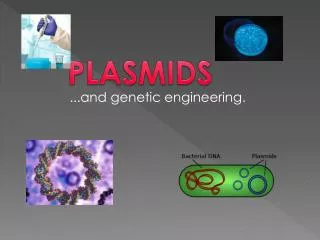
Plasmid • a small, usually circular, piece of DNA that is separate from the chromosomal DNA
Polymerase • an enzyme that joins nucleotides to make nucleic acid
Recombinant DNA • DNA that has been altered by genetic engineering
Restriction enzyme • restriction endonuclease • enzyme that cuts DNA strands at specific sites
sequence • order of nucleotides or amino acids
template • a pattern used for developing a complementary structure
trait • a characteristic resulting from gene expression
transform • to change the genetic makeup of an organism by alteration of the DNA
vector • an agent such as a plasmid used to transfer DNA into a host cell
Living material • Organism - unit of living matter capable of independent function and reproduction
Complex Organism • higher organism • an organism with cells, tissues, and organs arranged to function as a single unit • ex. Plants, animals, humans
Organ • arrangement of tissues which provides life support function for an organism • leaf is an organ that carries out respiration, transpiration and ps.
Tissue • arrangement of cells with similar structures in clusters or sheets for specific function in an organ
Cell • smallest structural unit of living matter that is capable of carrying out basic life processes
Basic Cell structures • cell wall - protective layer in plants that keeps the cell intact
cell membrane • delicate structure that surrounds the cell
chloroplasts • site of photosynthesis in plant cells • contain some DNA
Cytoplasm • cell fluid containing all cell structures
Nucleus • control center of a cell • contains most of the DNA
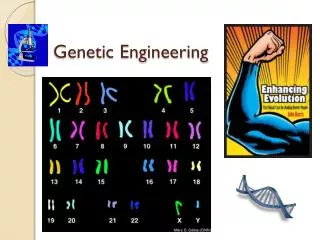
Chromosomes • structures that are physical carriers of genes • made p of DNA • are located in cell nucleus
Mitochondria • energy producing structures in the cell cytoplasm • contain some DNA
Plasmid • extra chromosomal piece of DNA • located in the cell cytoplasm
Ribosome • site where new proteins are produced • result of genetic expression
Cell reproduction • mitosis - occurs in body (somatic) cells • increases by simple division • chromosomes remain paired during cell division
meiosis • occurs in reproductive cells (gametes)
meiosis • increases by division into single chromosomes and recombination of male and female cells to form a new individual
meiosis • one chromosome from each parent forms the new pair • each organism has a specific number of paired chromosomes
Genetic engineering • technology involved in removing, modifying, or adding genes to a DNA molecule
Genetic engineering • movement of a gene from one organism to another
Other names • recombinant DNA technology • recombinant DNA science • gene transfer • gene splicing gene cloning
Naturally occurring • alternations in the genetic makeup of plants and animals allow them to respond to changes in their environment
Naturally occurring • some bacteria and viruses change the function of cells by inserting their DNA into the DNA of the cell
Naturally occurring • natural selection ensures that the adapted individual leaves offspring for the next generation