The Tragic Journey of American Horses: Slaughter, Export, and Animal Rights
In 2005, the U.S. witnessed the closure of nearly all horse slaughterhouses, leaving a devastating impact on horse welfare. By 2007, the slaughter of horses for meat shifted to countries like Mexico and Canada, raising ethical concerns about American horses, which are not intended for human consumption. The routine use of banned medications poses significant health risks. Activists highlight the urgent need for a national identification system to protect these animals. This narrative underscores the ongoing struggle between animal rights and the complexities of regulation.


The Tragic Journey of American Horses: Slaughter, Export, and Animal Rights
E N D
Presentation Transcript
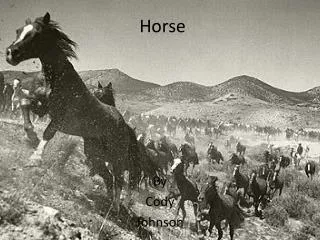
Horse Slaughtering Arianna Tucker
My story of our horse. Why did I choose my topic?
In the year of 2005 almost all the Slaughterhouses for horses in the U.S were closed down. By the year of 2007 all the U.S houses were finally closed The closing of the slaughterhouses
They now ship the horses to places like Mexico and Canada that do slaughter horses to send to Europe and Asia A way around the Law
Human consumption of American horsemeat raises a number of potential health concerns, mainly due to the routine usage of medications in horses that are banned in food animals, and the lack of tracking this usage in horses. American horses are not "intended" for the human food chain” What are Animal rights Activist doing?
The United States would have to spend millions of dollars implementing a national identification system and force owners to pay hundreds of dollars per animal to enter them into a national database Continued