Download
1 / 11
110 likes | 268 Vues
This article explores the profound effects of imperialism on China from the 19th century onwards. It details how British opium trade led to widespread addiction, resulting in the Opium Wars and the forced opening of ports. The subsequent Taiping and Boxer Rebellions highlighted China's struggle against foreign dominance, while the Open Door Policy aimed to keep China accessible for trade among nations. The economic, political, and cultural transformations stemming from imperialism reshaped China, causing nationalistic sentiments, industrial growth, and changes in social structure.

E N D
Imperialism in China How did imperialism impact China?
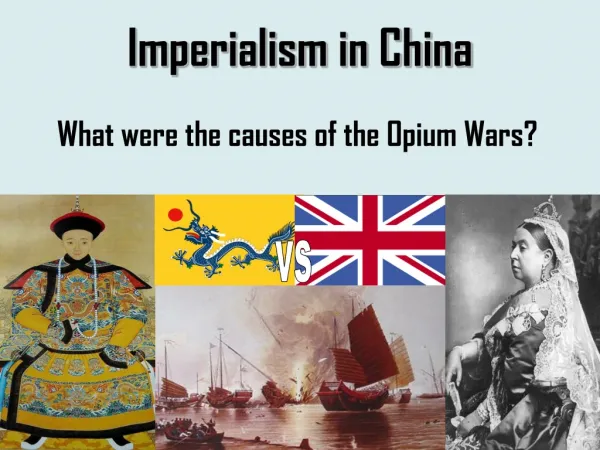
China • Isolated country • Only allowed one port open for trade • Great Britain - wants more • Enter the largest Drug Lord Ever • Queen Victoria
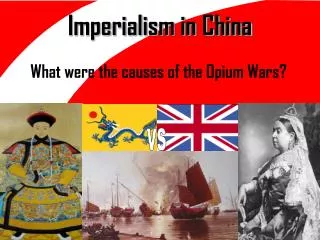
Opium Trade and War • Britain begins to trade Opium • A drug • Chinese become addicted • Opium War Begins • Chinese government tells Britain to stop selling Opium and Britain refuses • Britain wins because of advanced weapons/technology
Results of Opium War • China has to open more ports for trading • Many Chinese not happy with outcome of the war
Taiping Rebellion • Peasant revolt against the outcome of the Opium War • Rebellion put down by European Nations
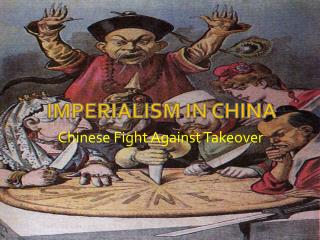
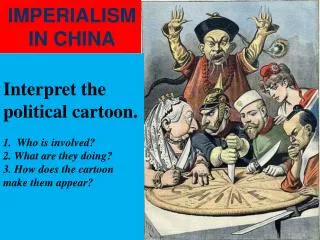
Spheres of Influence • European countries saw how weak China was becoming • Grabbed land and created spheres of influences
Boxer Rebellion • Chinese Secret Society that wants to get rid of foreign powers and influence in China form a rebellion • Europeans and US come in and put down the rebellion
Open Door Policy • US issued the idea of the Open Door Policy • Leave China open to trade with all nations instead of taking parts of China • This will benefit all countries except for China
Economic Impact • Some parts economically controlled by outside powers • Increased manufacturing and industrialization • Improvements in transportation
Political Impact • Rebellions • Restructure government
Social/Cultural Impact • Nationalistic feelings • Education • New Religion – Christianity • Improvements in communication • New Social Structure