Exploring Organic Chemistry and Combustion Reactions
Dive into the world of organic chemistry, combustion reactions, and hydrocarbons. Learn about organic vs. inorganic materials, balancing chemical equations, and the significance of combustion. Includes hands-on activities and discussions.


Exploring Organic Chemistry and Combustion Reactions
E N D
Presentation Transcript
Chapter 2, Activity 9 Organic Substances
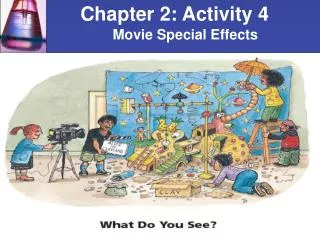
Date: 9/28-29/11HW: 2.9 CTG, pg. 168 #1-8 • LO: • Define organic as it applies to chemistry • Write and balance equations for combustion reactions • SC • Combust a material present in fruit rinds • Represent the combustion of hydrocarbons as a chemical equations • Learn the formulas and proper names for simple hydrocarbons • Make 2-dimentional drawings showing the chemical bonding structure in simple hydrocarbons • Classify materials as organic or inorganic • Explore various definitions of the term “organic” • Do Now: • 2.8 Quiz • Copy LO and SC on new left side page • WDYS/WDYT pg. 162 • Agenda • Do Now • Investigate • Summary
Investigate • Demo #1-3 • #4-6 as a class
Chem Talk-Read pg. 164-66 • What caused the flames with the fruit? • What does organic mean? • Ethylene (C2H4) gas, responsible for ripening the fruit • A molecular compound of carbon
Chem Talk • What is inorganic? • Where do you find organic compounds? • The opposite of organic. A compound not based on carbon • Everywhere! Largest area of chemistry • Plants, animals, gasoline, sugar, medicines, etc
Chem Talk • What is the difference between “organic” in chemistry and “organic” in food? • Organic food simply refers to totally natural, with no man-made interference.
Chem Talk • What are hydrocarbons? • What is combustion? • Composed of only carbon and hydrogen • Fuel, gas, kerosene, candle wax, propane, natural gas • Burning of hydrocarbons • Combined with oxygen • Generates heat and carbon dioxide
Chem Talk • What does combustion look like in a chemical equation? • This equation isn’t balanced! • Remember conservation of mass tells us what we start with we must end with!
Summary • Checking Up Questions-pg. 166 #1-3 • Essential Questions-pg. 167 • How do you know? • Why do you believe? • Why should you care? • LO and SC reflections