Connecting Climate Drivers to Biological Responses Using Advanced Modeling Techniques
210 likes | 332 Vues
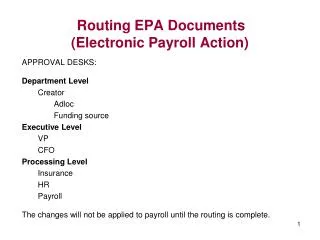
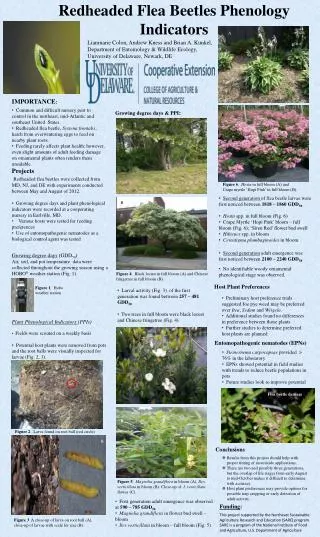
This research paper explores the integration of climate drivers with biological responses by utilizing the USGS's advanced modeling resources. Through tools like VisTrails and collaboration with various stakeholders, the study emphasizes the importance of data preprocessing, modeling, and visualization in assessing species habitat changes. It also highlights the significance of vulnerability assessment, adaptation strategies, and mitigation planning in relation to climate impacts, focusing on North Central Climate Science Center initiatives and Native American lands.


Connecting Climate Drivers to Biological Responses Using Advanced Modeling Techniques
E N D
Presentation Transcript
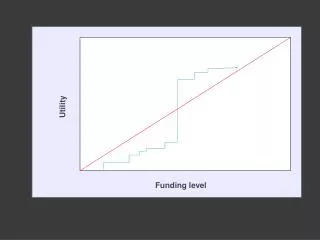
Utility Funding level
Using the USGS “Resource for Advanced Modeling” to connect climate drivers to biological response Jeff Morisette/USGS, PetrVotova/Ames, Claudio Silva/NYU Poly
Morisette et al., in review, “VisTrails SAHM: visualization and workflow management for species habitat modeling”, Ecography.
Input data Preprocessing Preliminary model analysis & decision Correlative models Output routines
Hijmans et al, 2005, “ Very High Resolution Interpolated Climate Surfaces for Global Land Areas”, Int. J. Climatol., 25: 1965-1978.
North Central Climate Science Center Landscape Cons.Coop& other stakeholders
Resistance Sensitivity Resilience Exposure Transition Potential Impact Adaptive Capacity Vulnerability
Re source for Vulnerability Assessment, Adaptation, and Mitigation Planning
112th Congressional Districts Image represents senate parties.
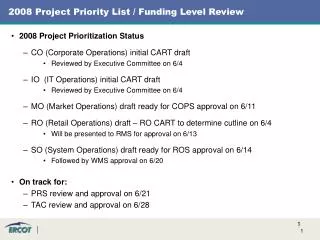
North Central Climate Science Center Landscape Cons.Coop& other stakeholders