Download
1 / 4
40 likes | 171 Vues
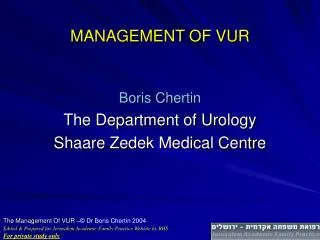
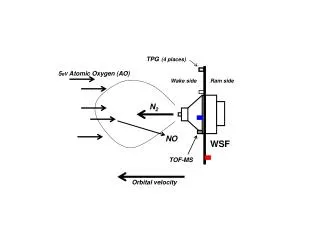
The ReFlux experiment, initially a contingency operation due to mission challenges, ventured into atomic oxygen (AO) dynamics at 190 nautical miles altitude. Unused nitrogen propellant was strategically pulsed into a ram flux of 90% AO, effectively reducing Wake Shield pressure by up to 75%. Cold cathode total pressure gauges and a time-of-flight mass spectrometer analyzed the plume density and detected nitrogen-oxygen interactions, producing nitric oxide (NO) at energy levels surpassing 5 eV. This experiment demonstrated innovative shielding techniques in space environments.

E N D
TPG(4 places) 5eV Atomic Oxygen (AO) Wake side Ram side N2 NO WSF TOF-MS Orbital velocity Return Flux Experiment (ReFlux) WSF-01 Literally a "back-of-the-napkin" experiment proposed at a pre-flight dinner, only days before launch, ReFlux became a contingency operation at the end of a mission of many misfortunes. Unused nitrogen propellent was pulsed into the ram flux of 90% ambient atomic oxygen (AO) at an altitude of 190 nautical miles. The expanding plume of N2 scattered the AO, acting as a shield, reducing the pressure at the surface of the Wake Shield by up to 75%. Cold cathode total pressure gauges (TPG) indicate a plume of radially deminishing density, and the shadowing caused by WSF structure. A time-of-flight mass spectrometer (TOF-MS) detected the production of NO through AO-N2 interactions well above the activation energy (5eV). A ram side mounted TPG reported an Orbiter attitude thruster jet firing, and the gradual dispersion of its exhaust products, having little apparent effect on the wake side environment.