Importance of Biasing in FLUKA: Neutron Fluence in Concrete Shielding
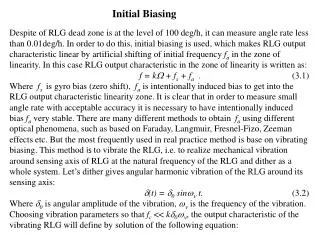
This exercise emphasizes the significance of biasing in FLUKA simulations, particularly in calculating neutron fluence through a concrete shield. Participants will create a new directory, adjust target materials, and implement a 240 cm thick concrete shield around the targets (H2O, Al, Pb). The exercise includes dividing the shield into six layers with increasing importance factors and creating contour plots to visualize neutron fluence with and without region importance biasing. The results will clearly show how biasing impacts simulation outcomes and understanding of particle interactions.


Importance of Biasing in FLUKA: Neutron Fluence in Concrete Shielding
E N D
Presentation Transcript
Exercise 7: Importance biasing Beginners FLUKA Course
Exercise 7: Importance biasing Concrete:(mass fraction) Hydrogen 0.01 Aluminum 0.034 Carbon 0.001 Silicon 0.337 Oxygen 0.529 Potassium 0.013 Sodium 0.016 Calcium 0.044 Magnesium 0.002 Iron 0.014 Density:2.42g/cm3 • Create a new directory ex7 and download the ex5.inp, renamed it to ex7.inp • Step 1: • change targets back to H2O/Al/Pb • add a 240 cm thick concrete shield around the target • calculate neutron fluence inside the shield • in region-independent mesh (USRBIN) create a contour plot with FLAIR Step 2: • split lateral shield into 6 layers of 40 cm thickness each and assign region importance factor to each layer such that the importance increases between adjacent layers by a factor of two • calculate again the neutron fluence inside the shield, create contour plot and compare to case without region importance biasing • Tip: you can create a #define BIAS variable and enclose the BIASING cards with #if BIAS…#endif cards. Then create a second run in the Run Frame with the BIAS disabled 250 Concrete shield 240 10 Pb Al -60 -50 50 60 H2O