SlideServe
Menu
Préférences
© SlideServe · v2026

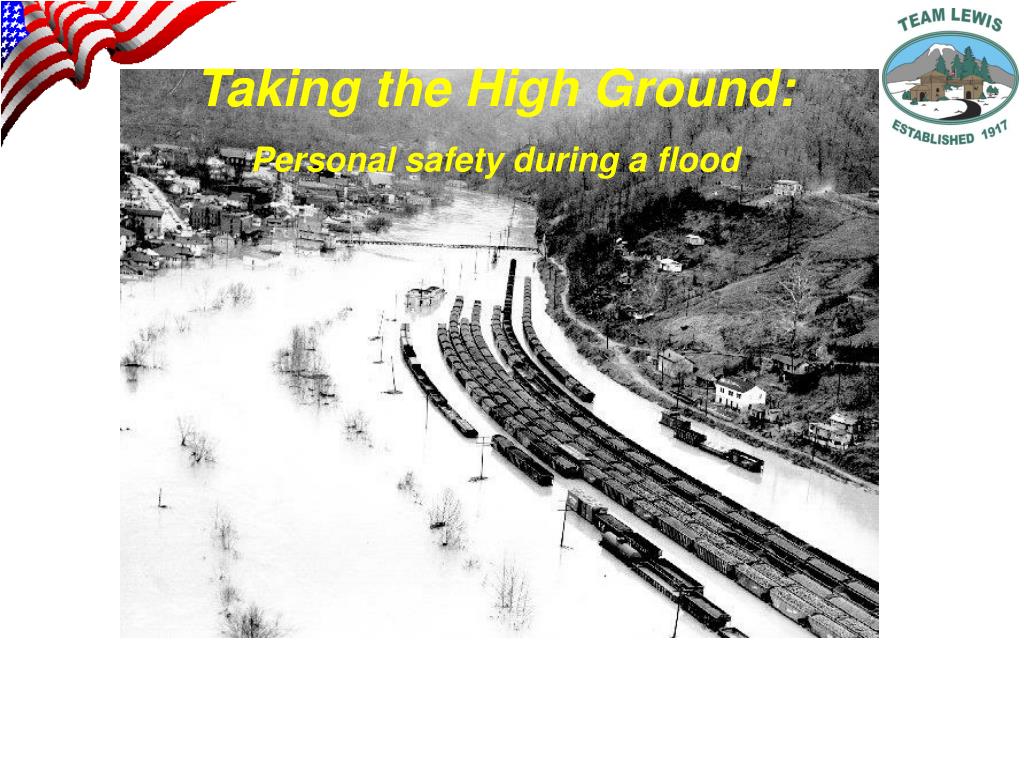
Taking the High Ground: Personal safety during a flood

ina avatar
11 diapositives · 231 Views · Jul 14, 2014
Taking the High Ground: Personal safety during a flood - slide 1
01 / 11Taking the High Ground: Personal safety during a flood
1 / 17

Télécharger la présentation

Taking the High Ground: Personal safety during a flood
Une image / un lien ci-dessous est fourni (tel quel) pour télécharger la présentation

Politique de téléchargement : le contenu du site vous est fourni TEL QUEL pour votre information et votre usage personnel ; il ne peut être vendu, concédé sous licence ni partagé sur d’autres sites sans l’accord de son auteur.Le contenu vous est fourni TEL QUEL, pour votre information et votre usage personnel uniquement. Téléchargez la présentation en cliquant sur ce lien. Lors du téléchargement, si vous ne parvenez pas à télécharger une présentation, l’éditeur a peut-être supprimé le fichier de son serveur.Pendant le téléchargement, si vous ne parvenez pas à obtenir une présentation, le fichier a peut-être été supprimé par l’éditeur.

F I N

Plus de contenu associé

Transcription de la présentation
  1. Taking the High Ground: Personal safety during a flood

  2. IT’S UP TO YOU! • Fort Lewis and the surrounding areas have great resources in regard to firefighting and rescue personnel, in addition to the experienced staff of soldiers manning the Emergency Operations Center. But these things only offer a certain measure of protection from the random chaos of a serious flash flood event. The bulk of the work for keeping yourself and your family safe comes down to you.

  3. Learn the Land The first, most general, thing you can do is to get to know your local landscape.   Find out where the local streams and drainages are and where the roads you drive the most intersect these potentially dangerous areas.

  4. Plan Ahead Another thing you can do is to be mentally prepared for a rapid onset event.   Make no mistake about it. A large rainfall hitting an urban area can turn it into a "war zone" and you don't know how bad it's going to get once it starts. There are always complicating factors and every rescue effort draws precious resources from a very limited supply.

  5. Hurry Up and Wait Sometimes the best thing you can do is respond rapidly to keep yourself from immediate danger, then switch gears and "shelter in place" - waiting out the few hours it takes for the situation to stabilize. Many flash floods only present grave dangers for a period of hours before subsiding.

  6. Don’t Panic! • Resist the normal urge to rush home immediately during a heavy rainfall event. Sometimes getting to high ground and staying put for a while is a safer alternative for you and local rescue personnel.

  7. Coffin on Wheels • The majority of flood-related deaths are caused by people attempting to drive through moving water. This interactive segment explains the most common ways people die in these situations. http://www.floodsafety.com/media/interactives/life/index.htm

  8. Most cars will float (and be swept away) in 18-24 inches of moving water. Trucks and SUVs are not much better with only 6-12 more inches of clearance. Creeks and rivers can rise very rapidly and the road bottom can also wash away making the water much deeper than it appears.

  9. Testimonials • Use the link below to listen to harrowing stories of rising floodwaters as told by the people who lived them. • http://www.floodsafety.com/media/gallery/video/index.htm

  10. Don’t Disregard the Danger of Rising Water If you are on post, don’t forget to notify The MP Desk or Range Control as quickly as possible

  11. …but there are always the few who observe, reason, and take precautions, and thus escape the flood – William Shakespeare Cow rescue – Flint River Flood near Albany, GA - 1925