Download
1 / 4
40 likes | 164 Vues
This document details the examination of DNA samples collected from a crime scene using two enzymes—Enzyme 1 and Enzyme 2—alongside DNA from two suspects. Utilizing restriction enzymes BamHI and HaeIII, the DNA is cut at specific locations based on unique base sequences known as restriction sites. The analysis compares the profiles of the crime scene DNA against the profiles from the suspects, which may provide crucial evidence in solving the case.

E N D
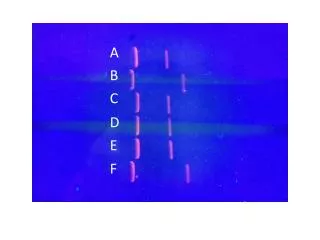
A B C D E F
DNA Sample Key • A: DNA from crime scene with Enzyme 1 • B: DNA from crime scene with Enzyme 2 • C: DNA from suspect 1 with Enzyme 1 • D: DNA from suspect 1 with Enzyme 2 • E:DNA from suspect 2 with Enzyme 1 • F: DNA from suspect 2 with Enzyme 2
Restriction Enzymes • Cut DNA in at specific location based on base sequences called restriction sites Bam HI ATGCGTGGCCGTACTACCCATGGATCCGGGTATATAG TACGCACCGGCATGATGGGTACCTAGGCCCATATATC ↓ 5’-GGATCC-3’ 3’-CCTAGG-5’ ↑ ↓ ↑
Restriction Enzyme II: HaeIII ↓ 5’-GGCC-3’ 3’-CCGG-5’ ATGCGTGGCCGTACTACCCATGGATCCGGGTATATAG TACGCACCGGCATGATGGGTACCTAGGCCCATATATC ↑ ↓ ↑