Understanding Sweeteners: Disaccharides, Monosaccharides, and Artificial Options
This informative piece presents an overview of sweeteners, including disaccharides like sucrose, maltose, and lactose, and their composition from monosaccharides. It details sweetness levels of various sugars, such as fructose being the sweetest at 173 levels, followed by sucrose at 100. The text also explores polysaccharides and introduces artificial sweeteners, which can be up to 15 times sweeter than sucrose, offering a lower-calorie alternative. Examples include aspartame and saccharin, highlighting their benefits and applications.

Understanding Sweeteners: Disaccharides, Monosaccharides, and Artificial Options
E N D
Presentation Transcript
SWEETENERS From foukeffa.org Written by Teri Micke Ag Student Texas A&M GA Ag Ed Curriculum Office To accompany the Georgia Agriculture Education Curriculum Course 02431 June, 2002
DISACCHARIDES (2 simple sugars) Sucrose (table sugar) = glucose + fructose maltose = glucose + glucose lactose = galactose + glucose
MONOSACCHARIDES SUGAR MOLECULE SWEETNESS LEVEL Fructose 173 Sucrose 100 Glucose 74 Maltose 32 Galactose 32 Lactose 16
POLYSACCHARIDE Many monosaccharides linked together in a huge chain examples: starch cellulose glycogen
ARTIFICAL SWEETENERS • as little as 15 times sweeter than sucrose (sweetness level of 1500) • use less, decrease calories • not a carb - made of amino acids
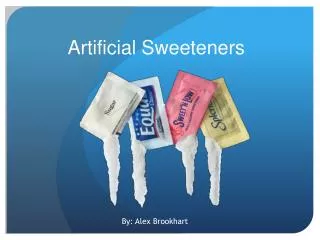
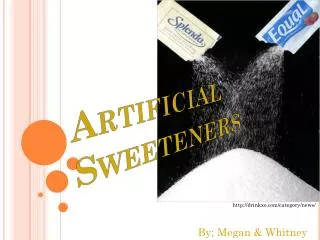
Example artificial sweeteners • aspartame • saccharin