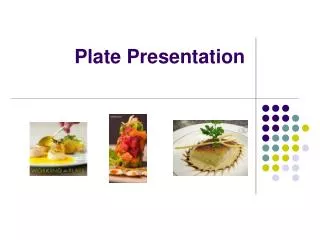
The Art of Plate Presentation: A Guide to Creating Beautiful and Tasty Dishes
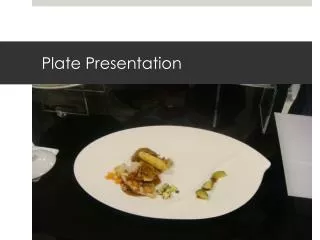
Plate presentation plays a vital role in culinary arts, engaging diners through visual appeal. Key elements include shape, color, height, and texture. Different shapes showcase knife skills and creativity, while vibrant colors signal freshness and control over cooking techniques. Height adds dimension and focus, while carefully chosen items should balance practicality and aesthetics. Flavor is paramount; use fresh, harmonizing ingredients. Effective garnishes enhance without distracting. Ultimately, a well-presented dish combines simple elegance and a thoughtful harmony of flavors.

The Art of Plate Presentation: A Guide to Creating Beautiful and Tasty Dishes
E N D
Presentation Transcript
WHY? Eating with your eyes Appearance Freshness
What to look for? Shape Color Height Items Flavor Texture
S.C.H.I.F.T. • Shape: Different shapes shows various knife skills and keep your guest wondering how it is made. • Color: Color gives your plate a sense of freshness. It also indicates that you can control changes through heat (cooking techniques). • Height: Incorporate the natural shape of food to provide varied, but not extreme, heights. This enhances the flow of food on the plate. Height creates a focal point on the plate.
S.C.H.I.F.T. (cont.) • Items: Choose food items based on practicality, portion size, number of other items on the plate. • Flavor: This is the single most important factor. Use only fresh, compatible flavors, to enhance your presentation naturally. • Texture: To achieve a variety of textures, vary your cooking methods and apply different cuts to your vegetables to create variation.
Functional Garnishes Use functional garnishes that make sense. Add texture or taste to the food Serves a purpose,such as to add crispness for a contrasting texture. Harmonizes yet doesn’t distract from the focal point of plate.
Harmony The ease with which guests can serve themselves from the plate or the platter. The layout on the plate should work as a cohesive unit. They should be unity among all the food being served. They should be harmony of ingredients and items on the plate.
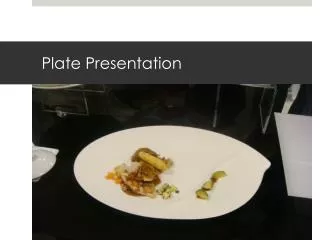
Focal point Contemporary approach to plating features the main item as the focal point, in the center, with the other items underneath or around it or scattered on the plate. Do not overcrowded the plate, empty space will reinforce the focal point.
Conclusion Good food, whether hot or cold, is a combination of fresh ingredients prepared in the proper way with simple layers of harmonizing flavors. Solid understanding of how to build flavor profile in order to present them with style is a must. Two great words from Master Chef Edward G. Leonard regarding plate presentation: SIMPLE AND ELEGANT
Who Said: • “It’s so beautifully arranged on the plate- You know someone’s fingers have been all over it!”