

SlideServe
Menu
Préférences
© SlideServe · v2026

Sickle Cell Anemia

jara avatar
14 diapositives · 546 Views · Jul 25, 2014

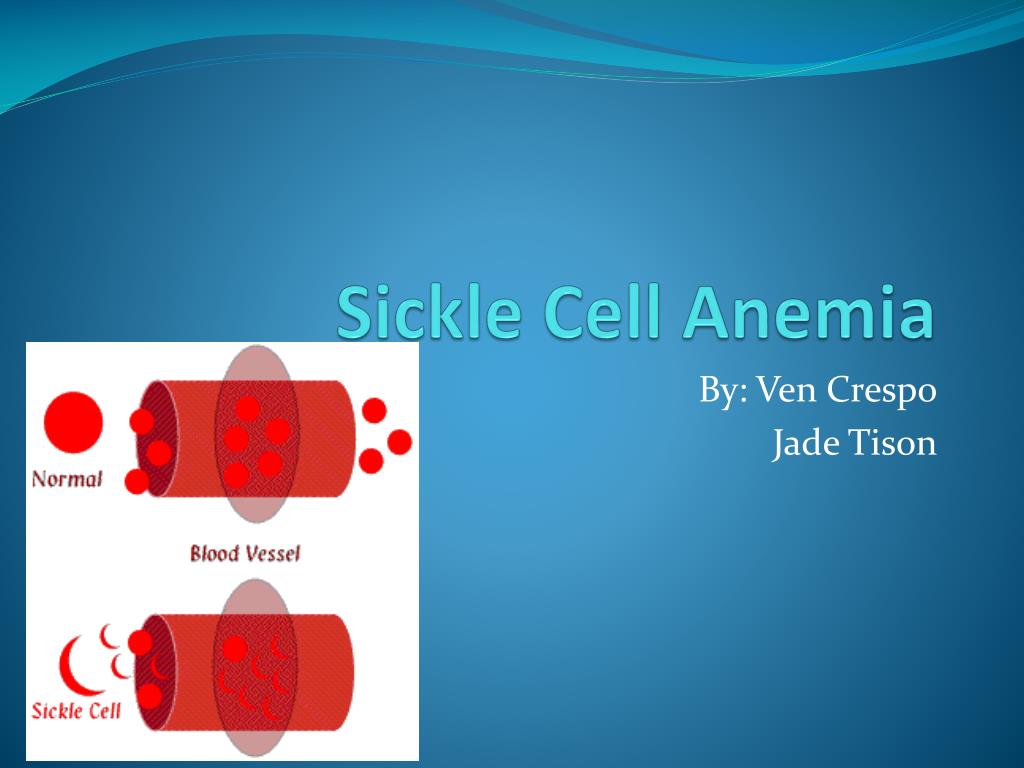
Sickle Cell Anemia. By: Ven Crespo Jade Tison. Genetic Specialist . Gene or Chromosomal Chromosomal disease. Chromosome Affected The chromosome it affects is chromosome number 11. Sickle-cell disease is caused by a mutation in the Hemoglobin-Beta in chromosome 11.
Sickle Cell Anemia - slide 1
01 / 14Sickle Cell Anemia
1 / 17

Télécharger la présentation

Sickle Cell Anemia
Une image / un lien ci-dessous est fourni (tel quel) pour télécharger la présentation

Politique de téléchargement : le contenu du site vous est fourni TEL QUEL pour votre information et votre usage personnel ; il ne peut être vendu, concédé sous licence ni partagé sur d’autres sites sans l’accord de son auteur.Le contenu vous est fourni TEL QUEL, pour votre information et votre usage personnel uniquement. Téléchargez la présentation en cliquant sur ce lien. Lors du téléchargement, si vous ne parvenez pas à télécharger une présentation, l’éditeur a peut-être supprimé le fichier de son serveur.Pendant le téléchargement, si vous ne parvenez pas à obtenir une présentation, le fichier a peut-être été supprimé par l’éditeur.

F I N

Plus de contenu associé

Transcription de la présentation
  1. Sickle Cell Anemia By: Ven Crespo Jade Tison

  2. Genetic Specialist • Gene or Chromosomal • Chromosomal disease. • Chromosome Affected • The chromosome it affects is chromosome number 11. • Sickle-cell disease is caused by a mutation in the Hemoglobin-Beta in chromosome 11. • Hemoglobin transports oxygen from the lungs to the veins where the hemoglobin transports it to RBCs. Mutations in chromosome 11 make hemoglobin malfunction and instead of smooth and round, it is sticky, rigid, and crescent shaped.

  3. Genetic Specialist • Dominant or Recessive • RECESSIVE! Sickle-cell anemia is recessive. • Karyotype: • Next page: Male karyotype

  4. Genetic Specialist

  5. Genetic Specialist • Signs and Symptoms and How it Affects the Body • abdominal pain • Bone pain • Breathlessness • Delayed growth and puberty • Fatigue • Fever • Paleness • Rapid heart rate • Chest pain • Excessive thirst • Poor eyesight/blindness • Strokes

  6. Genetic Specialist • Prenatal Tests • Blood tests are the only option. From both parents. • Other names or Abbreviations • Sickle-cell anemia’s abbreviation is SCA (sickle-cell anemia) or SCD (sickle-cell disease)

  7. Genetic Councelor • How? • Parents must either be affected (SS) and carrier (AS) or both affected (SS) • Survival rate • Researchers at UT Southwest Med Center at Dallas, children with sickle cell disease are living longer, dying less often from their disease and contracting fewer fatal infections than before.

  8. Genetic Councelor • Treatable • There is currently NO CURE!!! • Tests • A way to test is the family history and a blood test. The test should detect the normal blood cells, abnormal hemoglobin (carries oxygen to blood cells) and the HbS gene. Sickle cell Anemia, Sickle cell hemoglobin C disease, Sickle beta-plus thalassemia, sickle cell beta-zero thalassemia

  9. Genetic Councelor • Fighting Against the Disease • Biotechnological: bone marrow transplants - potential cure • Pedigree • Next page.

  10. Genetic Councelor

  11. Parent • Lifestyle: Good nutrition: • Fluids. My child should drink as much water as possible to prevent dehydration • Proteins, fats, vitamins, minerals in adequate amount • Omega 3 fatty acids (fish, soybean oil, and dietary supplements) make RBC’s less fragile and possible less likely to sickle. [no studies prove this, yet] • Folic acid, vitamin B12 and B6 supplements. B6 may have specific anti-sickling properties. 1 mg of folic acid, 6 micrograms of B12, 6 mg of B6. Foods containing one or all of these vitamins include: meat, poultry, whole grains, dried fortified cereals, avocados, watermelon, bananas, peanuts, and oily fish.

  12. Parent • Lifespan: • Since there are many health care services, a my child, with sickle-cell anemia, can live a normal average length life. • Grandchildren: • My child can still grow to have children of their own, but will pass down the trait to either affect their child, or make them carriers of the anemia • Their children will be affected if their spouse either has sickle cell (SS) or is a carrier of the trait (AS)

  13. Parent • If I had more: • If I were to have more children the possibility of my next child to have sickle cell depends on the father. If we both have Sickle cell, then our next child will have Sickle-cell anemia, considering that 100% of our children will be affected. If one of us Is a carrier and one is affected, the chances of our next child being affected is 50%. If we are both carriers, the chances of our next child having sickle-cell anemia is 25%.

  14. THANK YOU!