Fermentation Paper
This comprehensive guide provides a structured approach to researching and writing your fermentation paper. It follows the Big 6 Research Model, breaking down the process into manageable steps. You'll learn how to define your topic, select credible sources, and organize information effectively. The guide emphasizes critical thinking, source citation, and self-evaluation to enhance the quality of your work. Ideal for students exploring various uses of fermentation, this resource will help you create a thorough and well-researched paper.

Fermentation Paper
E N D
Presentation Transcript
Fermentation Paper How to research your Fermentation Research paper. See Palmer library for EBSCO username & password
Big 6 Research Model Step by step guide to research projects
Big 6 Research • What’s your topic? • What sources will be best? • How will we find material online? • Read and pull out info. • Organize the information into your paper. • Self-evaluate your work - use the rubric.
1. Task Definition • 1.1 Pick your topic (Choose a way that humans have harnessed the power of fermentation). • 1.2 What question(s) do you want to answer about your topic?
Example Questions: How is fermentation used to make prescription drugs? How have different cultures used fermented milk products? Will fermentation play a significant role in alternative fuel sources?
What You Need To Turn In • Introduction and outline for the rest of the paper – Due Tuesday Nov. 23rd. • 500-700 word paper - Due Thurs. Dec. 2nd • Works cited page does not count in your word count. Must include at least 3 sources. • Notes pages.
2. Information Seeking Strategies • 2.1 Determine the range of possible sources (brainstorm). • 2.2 Select the best sources (recent and reliable).
Citing Your Sources • Minimum of 3 sources. • Must credit your images if you include any. • Give web address and name of web page. Example: Hubble Public Photos www.nasa.gov/gallery
Label and Cite Your Images Cortisone molecule Courtesy http://commons.wikimedia.org/wiki/File:Cortisone.gif
3. Location and Access • 3.1 Locate sources - search the web for pages that relate to your question (don’t forget school databases not just Google). • 3.2 Find information within pages by looking for key words and phrases.
4. Use of Information • 4.1 Skim the articles you have found. • 4.2 Extract relevant information from a source. Use the trash & treasure method. Trash & Treasure - as you read a section ask if it answers any aspect of your question. If YES write it -- if NO trash it.
Take Notes on the Note form provided • The note form requires you to identify your source as you go. • Paraphrase the information from your source needed to answer your research questions. • You will need to turn in your note pages attached to your final draft of your paper.
Note format • Today’s date • Citation (title, author, publication, date, URL, etc.) • Subject of notes • Notes (important information—paraphrase, avoid copying and pasting huge blocks of text) • Ideas (record here your ideas and reactions to the information, ways to use it in your paper, your opinions, or further research you need to do on the information) • Your name: • Save with a descriptive title or a sequential number. • (Based onnote organizer from McKenzie, Jamie.Beyond Technology: Questioning, Research and the Information Literate School. Bellingham, WA: FNO Press, 2000.)
5. Synthesis • 5.1 Organize the information from your sources into your outline. • 5.2 Write your research paper: introduction, body, conclusion (think claims, evidence and explanation in each paragraph).
6. Evaluation • 6.1 Judge the product (effectiveness) use your rubric. • 6.2 Judge the information problem- solving process (efficiency) - fill out your self-evaluation form.
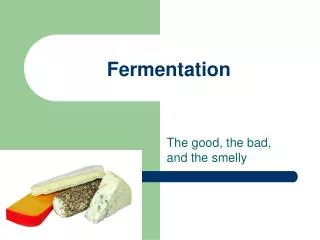
THE END A Variety of Cheeses http://en.wikipedia.org/wiki/List_of_cheeses