Download
1 / 8
80 likes | 208 Vues
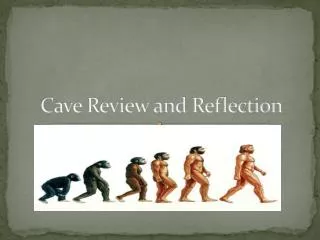
This review explores the key characteristics of early hominids, focusing on major species such as Australopithecus, Homo habilis, Homo erectus, Neanderthals, and Homo sapiens sapiens. Each species' time period, location, fossil evidence, physical appearance, and capabilities are discussed. Findings reveal evolutionary trends, including the development of bipedalism, tool-making skills, and social behaviors. The review also reflects on how archaeologists gather information about early human life through fossil records and artifacts, enhancing our understanding of human evolution.

E N D
Key Characteristics of Hominids • Australopithecus: • Time & Period: 3.2 mya (million years ago) • Location: Hadar, Ethiopia, South Africa • Fossil Evidence: 40% of skeleton; skull, jaw, ribs, arm, pelvis, thigh bones • Appearance: • -large, apelike head, brain 1/3 size of modern brain • Jutting jaw, prominent brow bones, flared cheekbones, toes and fingers curved, arms longer but legs same as modern man
Australopithecus • Capabilities & Skills: • -walked almost upright/straight ahead • -bipedal (2-footed) • -no spoken language • -diet of easy to chew foods
Homo Habilis: • Time & Period: 2 MYA • Location: KoobiFora, Kenya, Afirca • Fossil Evidence: skull, jawbone, hand & foot bones • Appearance: • -larger brain (750 cubic cm) them Austra and smaller back teeth , 5 ft tall, 100 lbs • Capabilities & Skills: • -”handy man” who made stone tools from lava & quartz rocks and tools from bones • -ate fruit/plants/meat • -lived in social groups and waited for large animals to leave carcass to use for bones and eat for “protein”
Homo Erectus • Time & Period: 1.8 MYA-200,000 yrs ago • Location: Lake Turkana, Kenya, Africa, Bejing, China • Fossil Evidence: Skull , thighbone, complete skeleton • Appearance: • -skull which was round & small, larger brain (900 cubic cm) • -prominent single brow bone, tall, thin, barrel chested, large back teeth, no chin, stronger than modern man • Capabilities & Skills: • -walks taller, stronger
Homo NeanderthalensisSapien • Time & Period: 230,000 yrs ago-30,000 yrs ago • Location: Kebara Cave, Israel • Fossil Evidence: skull cap, thighbones, left arm & pelvis • Appearance: • -brain larger than modern humans (1,450 cubic cm) • -stock, short limbed, broad noses, body size larger, powerful muscles • Capabilities & Skills: • “wise man”, advanced tools(knives, points, blades, scrapers, spears) • -group hunts; took care of sick, honored dead, nomads , built teepee-like shelters with bones and animal, frozen pits used for meat, discovered fire
Homo Sapiens Sapiens • Time & Location: 100,000-30,000 years ago • Location: Cave in France • Fossil Evidence: groups bones in burial site • Appearance: • -many features of modern man , large brain (1350 cubic cm), slender bones, small teeth, high, rounded skull, chin, dark skin, hairless bodies • Capabilities & Skill: • -not adapted for cold climates, control of fire to survive winters, blades of flint, 100 different tools (needles, fishhooks, spear thrower, bow & arrow, harpoons • -traveled in small groups from campsite to campsite • -constructed fireplaces, created cave art, carved clay, ivory, bone into art & musical instruments, had a language
Reflection Activity: • 1. Write a constructed response • (1 or more paragraphs) to the following question: How do archaeologists know of evidence of early human life? • Make sure you start your paragraph with the following topic sentence: Archaeologists know of evidence of early human life by many ways. • Give details to support this topic sentence! • 2. In your next paragraph, explain what you liked about the cave activities and what you learned.