A Bestiary of Sampling Methods in Biology: Understanding Selectivity and Bias
Dive into the intriguing world of biological sampling with this comprehensive guide. Inspired by the medieval bestiary, this text outlines various sampling methods and their implications. Learn how to assess organism abundance, feeding habits, and contaminant levels through stomach and tissue samples. Understand the nuances of selectivity and bias in sampling, emphasizing that no two gears capture species or size groups in the same way. Explore the use of gill nets and their role in this diverse ecological study.


A Bestiary of Sampling Methods in Biology: Understanding Selectivity and Bias
E N D
Presentation Transcript
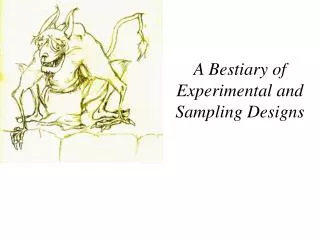
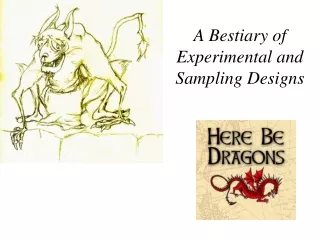
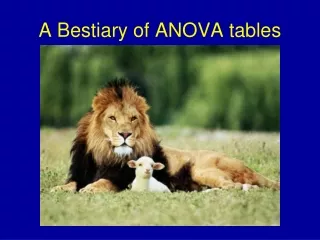
1. A Bestiary of Sampling Methods Bestiary: noun
a medieval book (usually illustrated) with allegorical and amusing descriptions of real and fabled animals
2. Why Bother? Assess abundance, composition of organisms
To collect biological samples
Stomach samples for feeding habits
Tissue samples for contaminant levels
Gonads to assess maturation
3. Selectivity and Bias Sample Catch is a product of:
Local Abundance
Susceptibility of organisms to sampling device
Varies by: Species, size, behavior
No two gears sample the same species, size groups, the same way
4. Gill Nets