Advanced Wastewater Treatment: Addressing National Water Quality Challenges
Conventional on-site wastewater treatment systems are failing, with 10-30% not performing as intended annually. Over half of all systems are over 30 years old and do not meet Clean Water Act standards, adversely affecting marine resources. Advanced treatment technologies, using biological processes and innovative materials, represent a crucial evolution in wastewater management. These systems can provide superior treatment levels compared to traditional septic systems, promoting cleaner discharges and safeguarding water quality in communities.

Advanced Wastewater Treatment: Addressing National Water Quality Challenges
E N D
Presentation Transcript
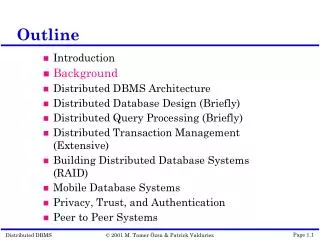
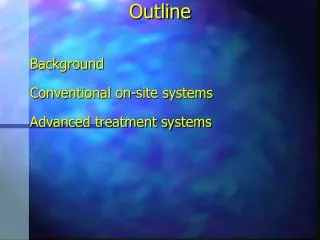
Outline Background Conventional on-site systems Advanced treatment systems
Water Quality Problems on a National Scale 10-30% of systems failing annually Over 50% of systems >30 yrs. old Not meeting Clean Water Act goals
Wastewater treatment systems have an impact on our marine resources. • All wastewater treatment systems produce a discharge. • The better the system – the cleaner the discharge. • Dirty discharges hurt nearby marine or water resources. The EPA admits that the CT River was at one time called “America’s best landscaped sewer.”
Conventional Septic System Consists of a Minimum 1000 Gallon Septic Tank, With Two Compartments and an Effluent Filter Discharging to an Approved Leaching System
Leaching Trenches Septic Tank Septic System Effluent 18” Minimum Vertical Separation Distance Required The Septic SystemThe Proper Setting Basement Ground Water
What is an Advanced Treatment System? • These are on-site wastewater systems that have features beyond typical septic systems, which can provide a higher degree of treatment than conventional septic systems • Still uncommon in Connecticut. (Requires a management plan.) • All of these systems use biological processes to provide treatment.
What is an Advanced Treatment System? (Continued) • The basic biological treatment concepts (e.g. trickling filters, activated sludge systems, etc.) have been in use for many years in larger scale settings. • They are now packaged to scale down applications to serve individual homes and clusters. • Systems take advantage of newer materials of construction and more powerful controllers. • Advanced Treatment Systems Use Air Blowers or Pumps to Recirculate Fluids. Some Systems Have Multiple Control Units.
VARIOUS COMPONENTS AIR COMPRESSOR RISER TRICKLING FILTER FILTER
An Advanced Technology System Could be as Simple as a Recirculating Trickling Filter, or a Recirculating Sand Filter Sand Filters May be Recirculated to the Septic Tank or Installed as Part of the Leaching System in the Single Pass Mode.