STAR FISH
Discover the captivating lives of starfish, also known as sea stars, which inhabit diverse environments including tropical coral reefs, kelp forests, and deep-sea floors. These stunning echinoderms come in vibrant colors ranging from bright reds to deep violets, often featuring unique patterns for camouflage and protection. As opportunistic feeders, starfish primarily prey on bivalves, coral polyps, and detritus, utilizing specialized adaptations to capture their food. Explore the importance of starfish in marine ecosystems and ongoing research into their unique biological properties.

STAR FISH
E N D
Presentation Transcript
STAR FISH BY: RAYAN KACHKACH
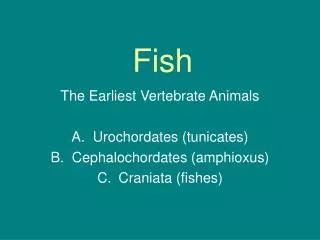
STARFISH HABITAT Habitat: Habitats could range from tropical coral reefs, kelp forests to deep-sea floor, although none of them live within the water column; all species of sea stars found are living as benthos. As echinoderms need a delicate internal balance in their body, no sea stars are found in freshwater environments, with exception of very few species of sea stars found in slightly estuarine habitats.
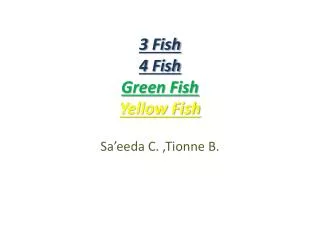
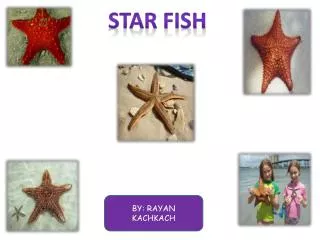
STARFISH COLOUR Colour: Sea stars are often brightly coloured, usually from reddish hues to violet, and unusual colours such as green and blue exist in some species, but come in muted colours as well. Patterns including mosaic-like tiles formed by ossicles, stripes, interconnecting net between spines, pustules with bright colours, mottles or spots. These mainly serve as camouflage or warning coloration displayed by many other marine animals as means of protection against predation. Several types of toxins and secondary metabolites have been extracted from several species of sea stars and now being subjected into research worldwide for pharmacy or other uses such as pesticides.
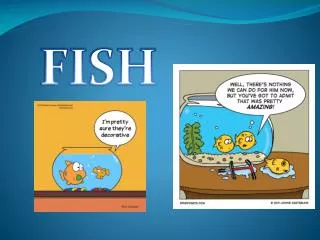
STARDFISH DIET Diet: Most sea star species are generalist predators, some eating bivalves like mussels, clams, and oysters; or any animal slow enough to be unable to evade the attack (e.g. dying fish). Some species are detritivores, eating decomposed animal and plant material, or organic films attached to substrate. The others may consume coral polyps (the best-known example for this is the infamous Acanthaster planci), sponges or even suspended particles and planktons (sea stars from the Order Brisingida). The process of feeding or capture may or may not be aided by special parts; Pisaster brevispinus or Short-spined Pisaster from west coast of America may use a set of specialized tube feet capable of extending itself deep into the soft substrata, hauling out the prey (usually clams) from within.