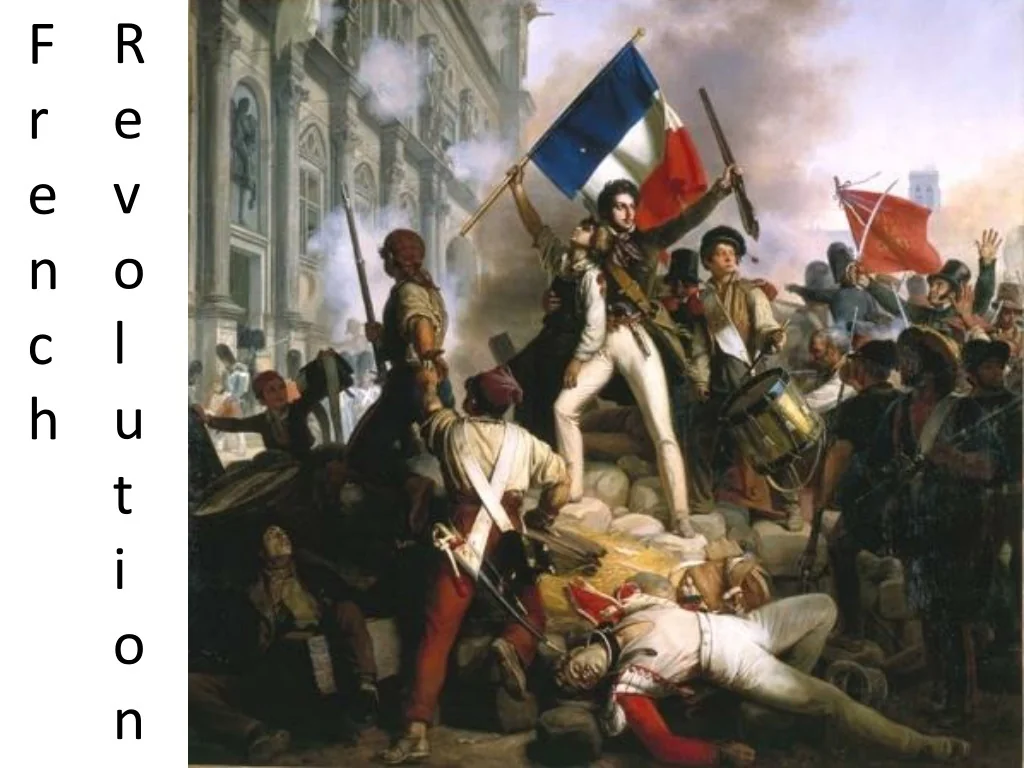
Revolution. French. France in the late 18 th century was aristocratic with some remaining vestiges of feudalism Socially, France is divided into three Estates. First Estate: Clergy ½% of the population 10% of the land Exempt from taxes-voted a small ‘gift’ to the government each year
Une image / un lien ci-dessous est fourni (tel quel) pour télécharger la présentation
Politique de téléchargement : le contenu du site vous est fourni TEL QUEL pour votre information et votre usage personnel ; il ne peut être vendu, concédé sous licence ni partagé sur d’autres sites sans l’accord de son auteur.Le contenu vous est fourni TEL QUEL, pour votre information et votre usage personnel uniquement.Téléchargez la présentation en cliquant sur ce lien.Lors du téléchargement, si vous ne parvenez pas à télécharger une présentation, l’éditeur a peut-être supprimé le fichier de son serveur.Pendant le téléchargement, si vous ne parvenez pas à obtenir une présentation, le fichier a peut-être été supprimé par l’éditeur.
First Estate: Clergy ½% of the population 10% of the land Exempt from taxes-voted a small ‘gift’ to the government each year Peasants mostly loyal to the Church but bourgeois has anticlerical views of the Philosophes
Second Estate: Nobles 2% of population 20% of land Exempt from taxes Have a monopoly on army commissions and high ecclesiastical office
Nobles of the Robe Often purchased title Often wealthier than old nobles Lowest level: hobereaux “little Falcolns” Had working estates Collect every possible feudal dues from the peasants
Third Estate: Everyone else – 98% of population 50% of land From wealthiest businessman to poorest peasant 1730’s-1780’s: prices rise 65% wages rise 22%
Eminent Property: On all lands in the manorial village Lesser land owners owned their lands but had to pay an annual rent Also transfer fees if land changed owner due to sale or inheritance
¼ of budget went to the military ½ of budget went to pay debt from loans to pay off wars Revenues not high enough to meet expenses Taxes only paid by 3rd Estate
Louis has to pick sides and take action He chooses the Nobles This is opposite French tradition of the last 200 years where the king has sided with the bourgeois against the nobles
The Assembly works to address demands of the peasants Declaration of the Rights of Man and Citizens Principles: rule of law equal citizenship sovereignty of the people freedom of thought law must fall on all equally taxes by common consent
Economic policies • To help solve debt problem the government confiscates all church property-the government sells some of this land • To promote free trade and competition, government abolishes guilds
Conflict with the Church Confiscation of church property meant loss of income hurts church schools Revolution wants to control religion
Civil Constitution of the Clergy *redrew the ecclesiastical map-reduced the # of bishopics by 1/3 to correspond with the new departments *Clergy elected by the people and paid by the state
Most of France prefers the old church Assembly can’t win: *allow refractory clergy to continue they look weak & hurt the new church *persecute the old church and stir up its supporters including most of the peasant and working class