Download
1 / 10
100 likes | 222 Vues
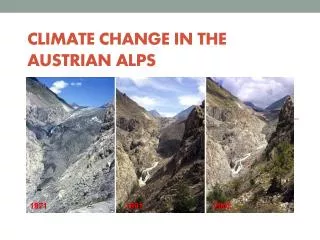
The Austrian Alps, a crucial European mountain range, are experiencing significant changes due to climate change, particularly the retreat of glaciers driven by higher carbon dioxide emissions. This has led to local impacts such as rising snowlines, threats to tourism, and potential extinction of unique alpine flora and fauna. Additionally, permafrost thawing increases risks of mudslides, avalanches, and infrastructure collapse. To combat these effects, reducing carbon emissions is essential, alongside adopting energy-saving practices and promoting sustainable energy sources.

E N D
Climate Change in theAustrian Alps 1971 1991 2002
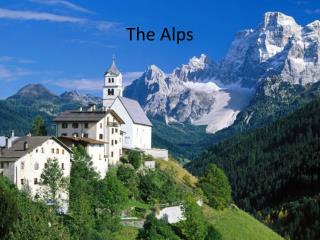
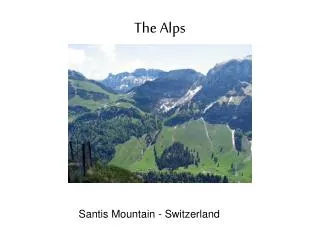
TheAustrianAlps • TheAustrianAlps areone of thegreatmountainrangesystems in Europe • Take greatinfluence on the European climate • Diverse naturalvegetation • Heavilyinfluencedbythe Retreat ofGlaciers
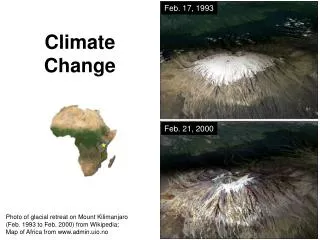
Retreat ofGlaciers • Causes: Increase in carbondioxide (CO2) emissions, whichaccelerate global warming • Impacts of glacier retreat: • Snowlinerise • Localbusinesses(hotels, operatorsof ski-lifts etc.) mightsufferfromlesstourism • Extinction of alpine plants • Extinction of animals • Shortage of drinkingwater
Unfreezingofpermafrostsoil • Icylayerthatstabilises alpine ground („mountainglue“) • Impacts of an unfreezing of permafrostsoil: • Increase in mudslidesandavalanches (=snowslides) • Alpine buildingsmightcollapse • http://www.youtube.com/watch?v=FcV9xiex5nI
Environmental Disaster • More storms • Increase in floodings
Whatshouldwe do? Diminishcarbondioxideemissionsand save energyby: • usingenergy-savinglamps • turning off electronic deviceswhenthey‘re not beingused • takingpublictransportation • installingheatinsulation • eatinglessmeat (methane) • supportingsustainableenergy (solar power, wind power, geothermal power)