Exploring Large-Scale Ocean Processes and Variability Observed by the Aquarius Satellite
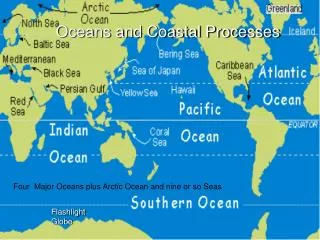
This session focuses on large-scale ocean processes as observed by the Aquarius satellite, particularly in the Pacific and Indian Oceans. It discusses significant features and variability, including salinity profiles ranging from 0.5 to 5 psu. The analysis addresses the freshwater/salt budget, emphasizing the importance of model-based estimates and observation-based data to close the budget gaps. It highlights the effects of rainfall estimates, rapid variability, and potential aliasing issues, which can influence our understanding of upper ocean mixed layer dynamics over various time scales.

Exploring Large-Scale Ocean Processes and Variability Observed by the Aquarius Satellite
E N D
Presentation Transcript
(Large-Scale) Features and Variability as seen by Aquarius SSS Josh W. Pacific Ocean, ENSO, ~ 0.5-1 psu Peter H. • Indian Ocean, 1-5 psu
Fresh-Water/Salt Budget:E - P + R = d(S)/dt + O + (error) Josh W. Nadya V. Upper ocean mixed layer Long-term mean Model-based (biases, missing processes, inaccurate forcing) Ocean is important to close the budget • Entire water depth • Intraseasonal, annual, interannual • Observation-based (not all terms can be calculated) • Large differences in the rainfall estimates
Rapid & Sub-Footprint/Grid Variability, Potential Aliasing Rui P. Peter H. • Rapid variability (< 14 days) • Potential temporal aliasing • Ascending/Descending • Beam #1, 2, 3 • Potential spatial aliasing