How to knit a Seed Stitch
0 likes | 13 Vues
Want to create something unique with a seed stitch? But donu2019t know the method? No worries; we have explained each point in this guide so you can create your favorite project using seed stitch.<br>


How to knit a Seed Stitch
E N D
Presentation Transcript
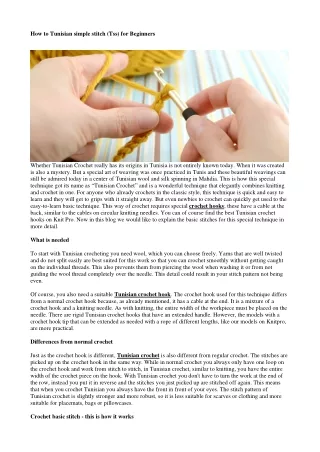
How to knit a Seed Stitch? Are you interested in creating your favorite pattern? It is a classical and easy-to-create textured knitting. For this stitch, you need knitting needles and yarn. The seed stitch creates a structured and reversible pattern; unlike the stockinette stitch, it does not curl and lays perfectly flat. You must have a basic knowledge of knitting and purling. It alternates between knit and purl stitches and creates little bumps on the fabric that look like a seed. Through this blog, we will explore the seed stitch, how to make it, and tips for creating it perfectly. Seed stitch: a versatile technique? Seed stitch is versatile and one of the classical techniques in knitting. Seed stitches are reversible patterns created by alternating knit and purl across a row. In this, you will find both the right side (RS) and wrong side (WS) identical. These stitches are perfect for blankets, dishcloths, hats, and scarves, wherein you want the work to lay perfectly flat. It is one of the favorites among knitters who wish to avoid curled edges at the end of knitting. If you are new to this technique, we will guide you. Materials you need for seed stitches Choose any yarn in which you are comfortable; however, medium-weight yarn is considered good for beginners. A scissor and a tapestry needle are a must to weave the yarn ends. Step-by-step instructions for Seed Stich You can use any number of stitches to complete the seed stitch. It works great with even or odd number of stitches. Follow the instructions mentioned in the pattern for making your project professionally. Circular
needles are a good option for knitting large projects like blankets and most importantly, you can knit both flat and round with them. Step 1 Cast-on Stitches According to the instructions provided in the pattern, you can choose an odd or even number of stitches. Moreover, you will be alternating between the knit-and-purl methods, and there will be differences in the instructions. Step 2: Even Stitches If you plan to work an even number of stitches on your knitting needle, follow this pattern: Row 1: Knit 1, Purl 1. Repeat the steps k1 and p1 to the end of the row or round. Row 2: Purl 1, Knit 1. Repeat the steps p1 and k1 to the end of the row or round. Step 3: Odd Stitches If the pattern instructs you an odd number of cast-on stitches. Row 1: Knit 1, Purl 1, repeat to the final stitch, and end with Knit 1. Row 2: Follow the same instructions for the remaining rows and rounds. Whether you are knitting on double-pointed needles or circular ones the instructions are the same but just follow the pattern carefully. Step 3 A bind-off - the last step In seed stitching, bind-off is the last process. There are various methods for bind-off or cast-off; follow the instructions in the pattern. Suggestions/tips for the successful seed stitches ● Check the yarn tension as the seed stitch tightens the fabric.
● First create a small practice swatch as a beginner, before jumping to the final project. Cast on approximately 10-15 stitches and follow the pattern mentioned above. ● Remember to purl where you see knit and knit where you see a purl stitch; otherwise, it will disrupt your pattern. ● Choose knitting needles that work best for your project. ● Make sure you count the stitches regularly. Beautiful patterns/design ideas using seed stitch Check out some project ideas with seed stitch. ● Scarf is an easy project and when using the seed stitches it provides warmth and a well-textured fabric that does not curl the edges. ● A cozy blanket is the perfect way to enjoy cool weather and add seed stitch for thickness and warmth. ● A dishcloth is a good option for beginners to practice this versatile technique. We hope you love seed stitches, learn this well-structured and beautiful technique and apply it to your projects. These stitches offer style and simplicity to your project. After regular practice, you can become a master in this method. So, grab your favorite yarn and knitting needles, start making an interesting project, and show your creativity to the world. Source: https://knitpro.livepositively.com/how-to-knit-a-seed-stitch/



![Download Book [PDF] 200 Ripple Stitch Patterns: Exciting Patterns To Knit And Crochet For Afghans,](https://cdn7.slideserve.com/12390778/slide1-dt.jpg)