
SlideServe
Menu
Préférences
© SlideServe · v2026

Lungs

kris avatar
13 diapositives · 639 Views · Jul 31, 2014

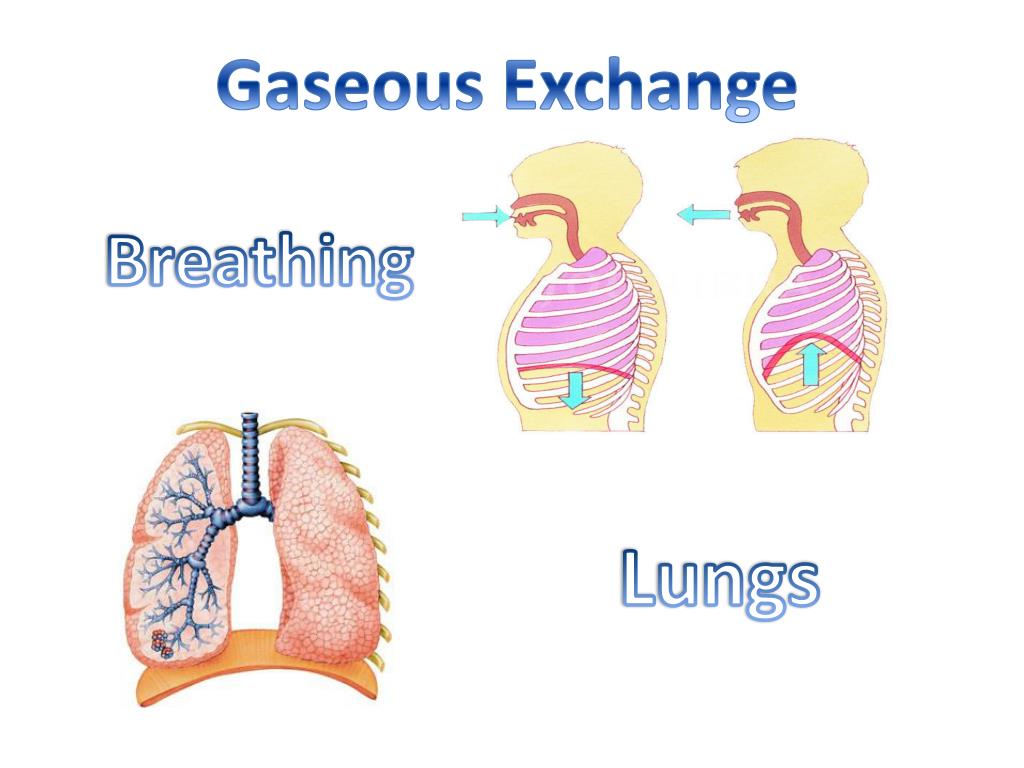
Gaseous Exchange. Breathing. Lungs. Learning objectives: Must say what the job of the lungs is and name the main parts Should describe the special features the lungs have to do their job really well Could explain how the alveoli work. What is gas exchange?.
Lungs - slide 1
01 / 13Lungs
1 / 17

Télécharger la présentation

Lungs
Une image / un lien ci-dessous est fourni (tel quel) pour télécharger la présentation

Politique de téléchargement : le contenu du site vous est fourni TEL QUEL pour votre information et votre usage personnel ; il ne peut être vendu, concédé sous licence ni partagé sur d’autres sites sans l’accord de son auteur.Le contenu vous est fourni TEL QUEL, pour votre information et votre usage personnel uniquement. Téléchargez la présentation en cliquant sur ce lien. Lors du téléchargement, si vous ne parvenez pas à télécharger une présentation, l’éditeur a peut-être supprimé le fichier de son serveur.Pendant le téléchargement, si vous ne parvenez pas à obtenir une présentation, le fichier a peut-être été supprimé par l’éditeur.

F I N

Plus de contenu associé

Transcription de la présentation
  1. Gaseous Exchange Breathing Lungs

  2. Learning objectives: Must say what the job of the lungs is and name the main parts Should describe the special features the lungs have to do their job really well Could explain how the alveoli work

  3. What is gas exchange? The process of oxygen and carbon dioxide moving between the lungs and the blood. What are the lungs? Lungs are the organs of respiration. • The right lung is a little bigger than the left lung. This the left lung has to fit around the heart making it slightly smaller. • The lungs are split into lobes • The left lung is split into 2 lobes while the right lung is split into 3 lobes. • Lungs have a very spongy texture and have a large surface area.

  4. Task: Label the different parts of the respiratory system Match up the parts of the respiratory system with the correct description.

  5. Trachea Ribs Alveoli Bronchi Bronchioles Lung Intercostal Muscles Diaphragm

  6. Breathing When your muscles change the size of your lungs. Ventilation The movement of air into and out of your lungs

  7. What is breathing? The process by which you take IN oxygen and give OUT carbon dioxide. When you breathe in: Your diaphragm goes down/up Your ribs expand/move inwards Lungs get bigger/smaller When you breathe out: Your diaphragm goes down/up Your ribs expand/move inwards Lungs get bigger/smaller

  8. Where does gas exchange occur? • The alveoli are adapted to make gas exchange in lungs happen easily and efficiently. • Features of the alveoli that allow gas exchange • They have moist, thin walls (just one cell thick) • They give the lungs a really big surface area • They have a lot of tiny blood vessels called capillaries.

  9. How do the gases move? The gases move by diffusion. Diffusion is the process by where gases move from a high concentration to a low concentration: Oxygen diffuses from the air in the alveoli into the blood. Carbon dioxide diffuses from the blood into the air in the alveoli. Capillary

  10. http://www.bbc.co.uk/schools/ks3bitesize/science/organisms_behaviour_health/life_processes/revise5.shtmlhttp://www.bbc.co.uk/schools/ks3bitesize/science/organisms_behaviour_health/life_processes/revise5.shtml

  11. Collect information and pictures about the heart or the lungs so that we can make information posters for display work. To be handed in next lesson – Tuesday 1st December

  12. List 3 ways that the lungs are adapted for gas exchange. Capillary

  13. The passage of air through the body: The lungs are positioned inside the ………….. …………….. The ………… form a cage protecting them. The ………..lung has ………… cavities is bigger than the ………… lung which only has ……….. The action of breathing means that the lungs are constantly moving in and out. In order to prevent friction, the lungs are surrounded by the ………………. ………………… This is a complete lining which is smooth and has a moist, slimy mucus. two three right left chest cavity pleural membrane