
SlideServe
Menu
Préférences
© SlideServe · v2026

Exploring Plant Life: Characteristics, Classification, and Evolution

krystyn-norb avatar
22 diapositives · 372 Views · Nov 05, 2014

This chapter delves into the fascinating world of plants, showcasing their incredible characteristics, classification systems, and evolutionary history. From the smallest duckweed to towering redwoods, all plants share key features like eukaryotic cells, the ability to photosynthesize, and distinctive reproductive methods. We explore both vascular and non-vascular plants, examining groups like mosses, ferns, gymnosperms, and angiosperms. Discover how plants adapted from aquatic origins to thrive on land and the importance of seed structures in their reproduction and survival.
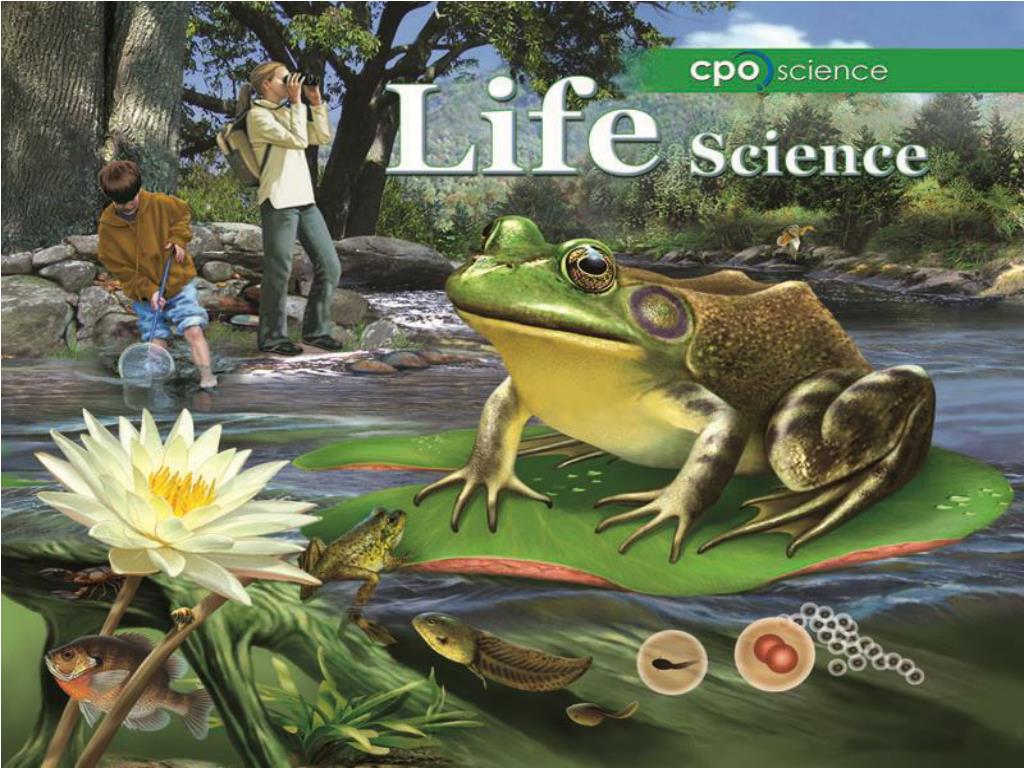
Exploring Plant Life: Characteristics, Classification, and Evolution - slide 1
01 / 22Exploring Plant Life: Characteristics, Classification, and Evolution
1 / 17

Télécharger la présentation

Exploring Plant Life: Characteristics, Classification, and Evolution
Une image / un lien ci-dessous est fourni (tel quel) pour télécharger la présentation

Politique de téléchargement : le contenu du site vous est fourni TEL QUEL pour votre information et votre usage personnel ; il ne peut être vendu, concédé sous licence ni partagé sur d’autres sites sans l’accord de son auteur.Le contenu vous est fourni TEL QUEL, pour votre information et votre usage personnel uniquement. Téléchargez la présentation en cliquant sur ce lien. Lors du téléchargement, si vous ne parvenez pas à télécharger une présentation, l’éditeur a peut-être supprimé le fichier de son serveur.Pendant le téléchargement, si vous ne parvenez pas à obtenir une présentation, le fichier a peut-être été supprimé par l’éditeur.

F I N

Plus de contenu associé

Transcription de la présentation

  1. Structure and Function in Living Things

  2. Chapter Sixteen: Plants • 16.1 What are Plants? • 16.2 Roots, Stems, and Leaves • 16.3 Reproduction in Flowering Plants

  3. 16.1 Plant Characteristics • Plants come in all sizes, from the tiny duckweed which grows to only about 10 mm in length, to the giant redwood which grows to about 100 m in height.

  4. 16.1 Plant Characteristics • Despite their great diversity, all plants share the following characteristics: • Plants are producers and us photosynthesis to make food. • Plants have eukaryotic cells with cell walls. • Plants have a cuticle.

  5. 16.1 Plant classification • Classification in the Kingdom Plantae is based on the presence or absence of vascular tissues.

  6. 16.1 Plant Classification • Vascular plants are divided into two groups—those that produce seeds and those that do not. • Plants that produce seeds are divided into gymnospermsand angiosperms. • Examples of plants that have no seeds are ferns, mosses and horsetails.

  7. 16.1 Plant Evolution • Because plants are similar in many ways to green algae, scientists think that both may have originated from an ancient species of green algae.

  8. 16.1 Plant Evolution • The first ancestors of plants show up in the fossil record during the late Ordovician Period—about 450 million years ago. • Plants started out living in water, an ideal environment that supported cells and transported nutrients. • As Earth’s environments changed, plants had to adapt to life on land.

  9. 16.1 Non-vascular plants • The non-vascular plants include the mosses and liverworts. • These are small, simple plants usually found in moist locations.

  10. 16.1 Non-vascular plants • The life cycle of nonvascular plants shows an alternation of generations. • Mosses and liverworts need water to carry the sperm to the eggs for fertilization.

  11. 16.1 Non-vascular plants • The sporophyte stage of a liverwort looks like a tiny palm tree. • The body of the gametophyte stage is leafy and flattened. • Rhizoidsare root-like growths that extend from beneath the body and anchor the plant.

  12. 16.1 Seedless vascular plants • The seedless vascular plants include ferns, club mosses, and horsetails.

  13. 16.1 Seedless vascular plants • The form of a fern is the sporophyte. • Ferns have an underground stem called a rhizomefrom which the fronds unfurl. • Young fronds are tightly coiled and are called fiddleheads.

  14. 16.1 Seedless vascular plants • Like non-vascular plants, ferns need water to transport sperm cells to egg cells.

  15. 16.1 Vascular plants with seeds • A seedis a structure that contains a plant embryo and a supply of food inside a protective covering.

  16. 16.1 Vascular plants with seeds • Gymnospermsare a group of vascular plants whose seeds are housed in cones. • Angiosperms, also known as flowering plants, produce seeds within a fruit.

  17. 16.1 More about seed plants • Gymnosperms include conifers, cycads, and gingkoes. • A gymnosperm called the bristleconepine is the oldest living organism on Earth.

  18. 16.1 More about seed plants • Angiosperms are divided into two classes— monocots and dicots. • A cotyledonis an embryonic leaf found inside of a seed.