Transforming Organizations: The Shift from Taylorism to Human-Centric Management
In today's rapidly evolving society, traditional management methods like Taylorism are becoming outdated. This presentation explores the impact of innovation and the need for agility in organizations. It highlights how human-centric approaches can unlock employee creativity, engagement, and overall organizational performance. By shifting from rigid KPI steering to collaborative decision-making and learning, companies can achieve impressive results such as higher customer satisfaction and reduced employee churn. Learn how simple and effective changes can lead to significant improvements in your organization.

Transforming Organizations: The Shift from Taylorism to Human-Centric Management
E N D
Presentation Transcript
We start with 6 slides tobuildyour story of why Taylor andKPI’sshouldbechangedinto steering withinthe frame.
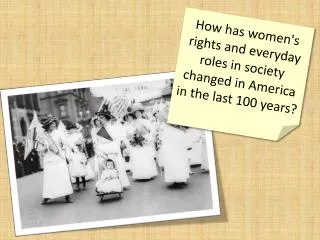
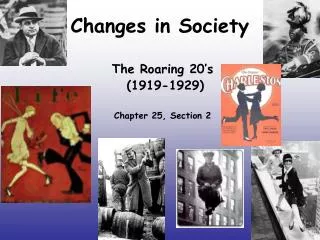
In the last 100 years we have seen massive innovations to adjust to the changes in society.
With the mobile phone maybe as the biggest social innovation seeing all the possibilities that come with it.
The speed of innovation is at anenormous pace, challengingeachexistingorganisationto keep up, let alonestayahead. Source picture: https://milfordasset.com/insights/missing-xeros/accelerating-growth-in-technology-2017
Yet most organisationsstillusethe basic management and control cyclesdeveloped 100 yearsago. Scientific management (Taylorism) Which has broughtusvery far, but in need of innovationandagility, this approach becomescounterproductive.
We are notunfamiliarwithelements of scientific management whenyou look at ourownkpi steering. Insert pictures of examples of kpiexcels, reporting, etc. thatyouuse in yourownorganisation or department.
With at it’score, one of the major consequences of scientific management : loss of potential of ourown employees. What do we need in ourorganisation, in this hyper changing environment? creativity. proactiveness. learning. agility. innovation. experimentation. collaborativedecision making. meaning. What was scientific management in essence meanttopreventfrom happening? exactly. the list mentionedabove. These competences are found in every human being. We are in essence hyper sociallearningcreatures. We want tolearn, connectandplay. Sohowcan we find a way to (re)activate these competences?
Next there are two slides toconvinceyourorganisationthatityieldsmeasurableresultsándthatit’svery easy toimplement.
Have a look at someastonishingresultsthat have already been realizedusing a human centric approach. • +11% customer satisfaction & +32% lesschurn of employees • +200% creativeproblemsolving • +10-20% sales & +3-7% customer engagement & +9-15% more employee engagement & 26-79% churnreduction of employees • +54% customer satisfaction & from worst to best in theindustryforchurnamong employees & -29% complaintreduction • +171% fundraising • +35% efficiency & highest c-sat & highest e-sat in the care industry & 33% lowerchurn employees Sources: Laloux, Reinventingorganizations (nr 6) & Cable, Alive at work (nr 1-5)
And did this take 10 years in culture and change programs? Did it take X millions in investment? No. The interventions were simple. • Onboardingbased on ‘best self’ introductionsandpersonalisedmaterials (laptop withmy name on it, etc.) • Relational best-selfonboarding(not me, but friends or family share whattheyvalueabout me) • Personalized, strength-based management instead of scientific management style. • Servantleadership. No hierarchy but structurallyaskthe employees: whatcan I do to help youbethe best at your job? • Show employees the impact of theirwork. Give a student (forwhichthe funds are raised) 5 minutes totellthe fundraising employees howthe fund helpedhim (no tears, justanswerquestions). • Empowerthe employees & thecustomers (case of “Buurtzorg” in Netherlands, a home healthcareorganisation).