Potato Chips Making Machine
This machine integrates multiple functions, including washing, peeling, slicing, frying, and seasoning, all in one streamlined system. Widely used in food processing industries, it boosts production capacity, reduces labour costs, and ensures high-quality, uniform chips, making it an essential tool for large-scale chip manufacturers. For more information visit our website https://www.laghuudyogbharat.com/<br>

Potato Chips Making Machine
E N D
Presentation Transcript
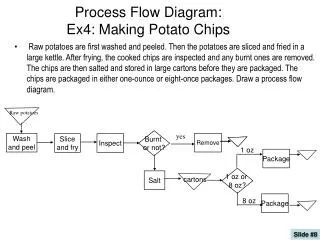
Potato Chips Making Machine In the world of snack foods, potato chips hold a special place. Crispy, salty, and utterly addictive, they are a favorite around the globe. But have you ever wondered about the technology behind the mass production of these beloved snacks? Enter the potato chips making machine—a marvel of modern engineering that transforms raw potatoes into the crispy delights we all know and love. The Journey from Potato to Chip The process of making potato chips involves several steps: washing, peeling, slicing, frying, and seasoning. Each of these steps is meticulously handled by specialized machinery, ensuring consistency, efficiency, and quality. 1. Washing and Peeling The journey begins with the washing and peeling of raw potatoes. Industrial washers use water jets to remove dirt and debris. Next, mechanical peelers strip the potatoes of their skins. This step is crucial for achieving the desired texture and appearance of the final product. 2. Slicing Once peeled, the potatoes are fed into slicing machines. These machines are equipped with sharp blades that can be adjusted to create slices of varying thicknesses. Uniform slicing is essential for ensuring that all chips cook evenly.
3. Rinsing and Blanching After slicing, the potato slices are rinsed to remove excess starch. Some manufacturers also blanch the slices in hot water for a short period to achieve a softer texture and to reduce the oil content during frying. 4. Frying The rinsed slices are then conveyed to the frying machine. Here, they are immersed in hot oil at precisely controlled temperatures. The frying process is critical, as it determines the crispiness and flavor of the chips. Advanced frying machines use continuous frying systems to maintain consistent quality and reduce oil absorption. 5. Seasoning After frying, the chips are seasoned with various flavors. Seasoning machines sprinkle salt, cheese powder, barbecue seasoning, or other flavors onto the chips as they pass through. The even distribution of seasoning ensures that every chip is equally flavorful. 6. Packaging Finally, the seasoned chips are conveyed to packaging machines. These machines weigh and pack the chips into bags, sealing them to maintain freshness. Modern packaging machines are designed to operate at high speeds, ensuring that the chips reach the market as quickly as possible. Innovations in Potato Chips Making Machines The potato chips making machine has seen numerous innovations over the years. Modern machines are designed to be energy-efficient, reduce waste, and improve product quality. Here are some notable advancements: ● Automation and Control Systems Advanced machines are equipped with automation and control systems that allow operators to monitor and adjust the production process in real time. These systems help maintain consistent product quality and reduce downtime. Energy Efficiency Newer models are designed to be more energy-efficient, reducing the overall carbon footprint of the production process. This includes innovations like heat recovery systems that capture and reuse energy from the frying process. Hygiene and Safety Ensuring hygiene and safety is paramount in food production. Modern machines are designed with easy-to-clean components and adhere to strict safety standards. This minimizes the risk of contamination and ensures the safety of both the product and the operators. Customization and Flexibility Manufacturers can customize machines to produce chips of different shapes, sizes, and flavors. This flexibility allows for the production of a wide variety of chip products, catering to diverse consumer preferences. ● ● ● The Future of Potato Chips Production As technology continues to advance, the aalu chips making machine will likely see further innovations. Areas such as artificial intelligence, machine learning, and the Internet of Things (IoT) are expected to play a significant role in the future of snack production. These technologies can provide even greater precision, efficiency, and customization, ensuring that the humble potato chip remains a beloved snack for generations to come.
Conclusion The potato chips making machine is a testament to the power of engineering and innovation. From raw potato to crispy chip, this machine handles the entire production process with remarkable efficiency and precision. As technology continues to evolve, we can look forward to even more delicious and diverse potato chip products gracing our shelves.