Understanding the Importance of Our Ventilation System for Respiration
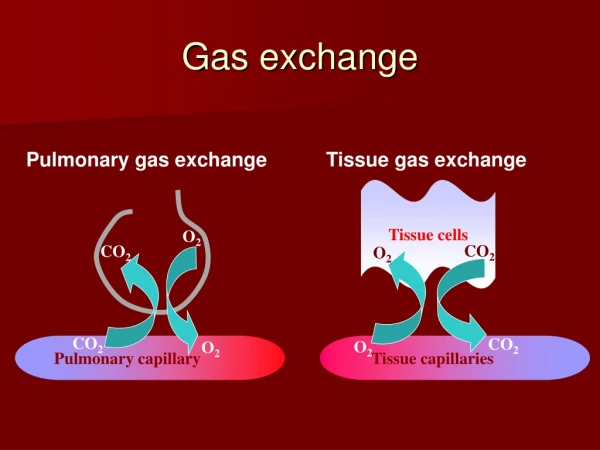
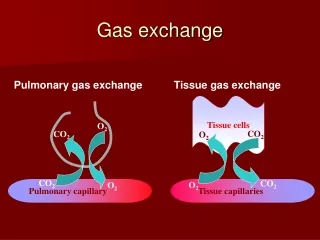
This article explains why a ventilation system is crucial for large organisms like humans. It highlights that oxygen cannot directly enter all our cells from the air, nor can waste products be expelled without a specialized system. Our ventilation system facilitates the exchange of gases between the lungs and blood, maintaining necessary concentration gradients for efficient nutrient delivery and waste removal. By ensuring moist surfaces in the lungs, it allows optimal diffusion of oxygen into the blood and carbon dioxide out, essential for our respiratory health.

Understanding the Importance of Our Ventilation System for Respiration
E N D
Presentation Transcript
MrT says… I pity the fool who thinks breathing is respiration.
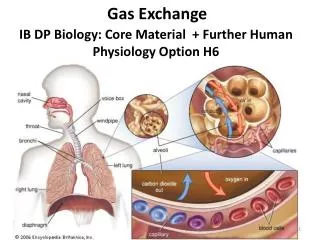
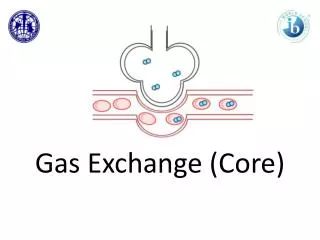
Why do we need a ventilation system? We are large organisms. Oxygen cannot diffuse into all our cells directly from the air, nor can waste products be directly ejected from the body. We have specialised organ systems, which are efficient, but need delivery of nutrients and removal of waste. The ventilation system ensures the blood can be the medium for this. We are land-borne. Gases need moist surfaces (membranes) in order to diffuse. Our lungs are moist membranes, allowing oxygen to diffuse into the blood and carbon dioxide to diffuse out. The ventilation system maintains a large concentration gradient between the alveoli and the blood. The constant flow of past the alveoli brings blood with a high CO2 concentration and low O2 concentration. Breathing out keeps the CO2 concentration in the alveoli low, so it diffuses out of the blood. Breathing in keeps O2 concentration in the alveoli high, so it diffuses into the blood.