Understanding Respiratory Anatomy and Terminology: Key Concepts in Breathing
This overview delves into the intricate anatomy of the respiratory system, exploring the functions and structures responsible for respiration. It covers both external and internal respiration, outlining the significance of the upper and lower respiratory tracts, including the nose, pharynx, larynx, trachea, bronchi, bronchioles, and alveoli. Key medical terms related to respiratory conditions—such as asthma, pneumonia, and pulmonary embolism—are defined, along with terminology that describes various breathing patterns. Enhance your understanding of respiratory health and terminology.

Understanding Respiratory Anatomy and Terminology: Key Concepts in Breathing
E N D
Presentation Transcript
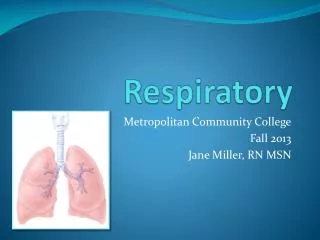
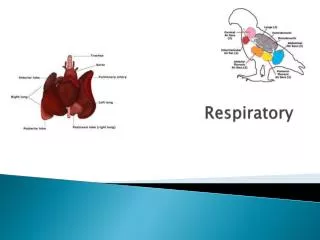
Respiratory Anatomy • Respiration • External respiration • Internal respiration • Upper Respiratory • Nose/Nasal Cavity • Pharynx (Throat) • Larynx (voice box) • Epiglottis • Trachea • Lower Respiratory • Bronchi • Bronchioles • Alveoli • Diaphragm
Terminology • Rhinitis (rhin = nose) • Pulmonary (pulmon = lung) • Pneumonia (pneum = lung) • Spir • Pnea • Dyspnea • Apnea • Hyperpnea • Bradypnea • Tachypena • Hypopnea • Hyerpventilation • Agonal
Pathologic Terms • Sneeze • Yawn • Sigh • Laryngospasm • Asthma • Pulmonary Edema • Pulmonary Embolism • Pneumothorax • Pyothorax • Aspiration pneumonia • Diaphragmatic Hernia