Rwanda
This overview examines the systematic stages of genocide in Rwanda, from the initial classification of the Hutu and Tutsi ethnic groups to the denial and aftermath following the atrocities. It outlines how colonial rule exacerbated divisions, leading to the brutal extermination of Tutsis by Hutu militias between 1990 and 1994. Key stages include classification, symbolization, dehumanization, organization, polarization, preparation, extermination, and eventual denial. The Rwandan government's ongoing efforts to promote unity and healing are also discussed.

Rwanda
E N D
Presentation Transcript
Rwanda Stages of Genocide
Stage 1 - Classification • Distinguish between “us” / “them” • Hutu and Tutsi ethnic groups • Defined by father • Children are ethnicity of their father • Divisions of ethnic groups Belgians put Tutsi in charge (colonial rule) Stage 2 - Symbolization • Id cards in Rwanda included ethnicity • Certain Traits considered Tutsi: • Tall, light skinned, “Elegant”, Nose measure (longer, thinner nose), Owns more cows (old - sign of wealth)
Stage 3 - Dehumanization • Hate radio controlled by Hutus • Called Tutsis “cockroaches”, “snakes”, “devils” • Bodies mutilated Stage 4 - Organization • Interahamew • Rwandan militia • Trained by Rwandan military for mass murder • Led by Hutus • Received arms from the government • 1990-1994 Rwanda 3rd largest arms importer in Af
Stage 5 - Polarization • Either with us or against us attitude • Moderate Hutus (“traitors”): • Assassinated during genocide • Prime Minister • UN refused to offer protection to moderates Stage 6 – Preparation • Extreme Hutu militias began kill in early 1990’s • 500 Tutsis murdered in Kinigi in 1991 • Hate Radio Broadcasts • Calling for extermination
Stage 7 – Extermination • Begins April 6, 1994 • Hours after plane crash of president • Killing with machete • Road blocks set-up to check ID cards Stage 8 - Denial • Top Government Officials • Denial in ICT • Denial in Rwandan Courts and Jails • Despite massive amounts of evidence
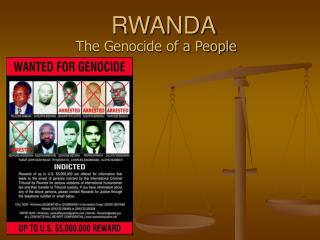
Accountability • More than 400 Trials • All sentenced to death • Only 26 executed • 120,000 in Rwandan Jails awaiting trial
Today • Government promoting • Cultural unity / education • Basic services • Economic development • 2006 No supermarkets, atms and expensive cell phones • 2011 Dozens • Part of effort to overcome Genocide ideology