SlideServe
Menu
Préférences
© SlideServe · v2026

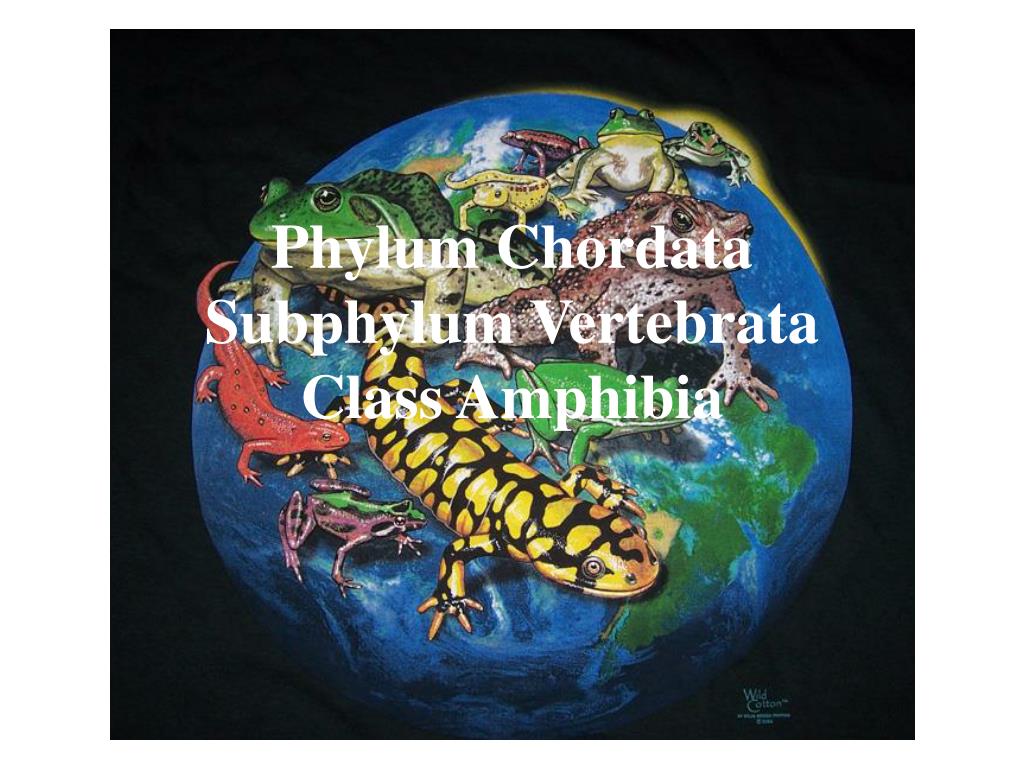
Phylum Chordata Subphylum Vertebrata Class Amphibia

leal avatar
18 diapositives · 478 Views · Oct 13, 2014

Phylum Chordata Subphylum Vertebrata Class Amphibia. Amphibians. Amphi – double; frogs, toads, caecilians, salamanders Thin, moist skin 4 legs terrestrial, but closely tied to water. Amphibians. both internal and external fertilization eggs lack protective
Phylum Chordata Subphylum Vertebrata Class Amphibia - slide 1
01 / 18Phylum Chordata Subphylum Vertebrata Class Amphibia
1 / 17

Télécharger la présentation

Phylum Chordata Subphylum Vertebrata Class Amphibia
Une image / un lien ci-dessous est fourni (tel quel) pour télécharger la présentation

Politique de téléchargement : le contenu du site vous est fourni TEL QUEL pour votre information et votre usage personnel ; il ne peut être vendu, concédé sous licence ni partagé sur d’autres sites sans l’accord de son auteur.Le contenu vous est fourni TEL QUEL, pour votre information et votre usage personnel uniquement. Téléchargez la présentation en cliquant sur ce lien. Lors du téléchargement, si vous ne parvenez pas à télécharger une présentation, l’éditeur a peut-être supprimé le fichier de son serveur.Pendant le téléchargement, si vous ne parvenez pas à obtenir une présentation, le fichier a peut-être été supprimé par l’éditeur.

F I N

Plus de contenu associé

Transcription de la présentation
  1. Phylum ChordataSubphylum VertebrataClass Amphibia

  2. Amphibians Amphi – double; frogs, toads, caecilians, salamanders • Thin, moist skin • 4 legs • terrestrial, but closely tied to water

  3. Amphibians • both internal and external fertilization • eggs lack protective • membrane and shell – need water to prevent dessication. red eye tree frog eggs http://nationalzoo.si.edu/Animals/ReptilesAmphibians/Exhibit/Topics/zoo_breeding.cfm?inc=o

  4. Ectotherms • body temperature is dependent on environmental temperature • become dormant during times of year when it is too hot or too cold - estivate

  5. Metamorphosis

  6. Metamorphosis in frogs Herbivorous tadpoles hatch with internal gills • increase in mouth and tongue size • loss of gills / formation of lungs • growth of legs, resorption of tail • new visual pigment in eyes • hemoglobin protein in blood • insectivorous adult

  7. Metamorphosis in salamanders • young aquatic salamanders have gills and a tail fin • adults do not have gills or fins – breathe through skin or with lungs

  8. Metamorphosis in salamanders Some salamanders do not have larval stage, but hatch as small versions of adults

  9. Circulatory System • 3-chambered heart • one chamber gets oxygen rich blood from lungs • one chamber gets oxygen poor blood from body tissues • blood from both go to third chamber – blood goes to body tissues and skin

  10. Frogs smooth, moist skin long legs Toads bumpy, dry skin short legs Order AnuraFrogs and Toads Both are tailless and insectivorous

  11. Order AnuraFrogs and Toads • vocal cords capable of producing a wide range of sounds. • Vocal cords are sound-producing bands of tissue in the throat.

  12. Order CaudataSalamanders • long, slender body with a neck and tail. • smooth, moist skin • lack claws • a few cm to 1.5 m • carnivorous

  13. Order ApodaCaecilians • burrowing amphibians, have no limbs, and have a short, or no, tail. • primarily tropical animals with small eyes that often are blind. • eat earthworms and other invertebrates found in the soil. • have internal fertilization.

  14. Origins of Amphibians • Most likely, amphibians arose as their ability to breathe air through well-developed lungs evolved. • The success of inhabiting the land depended on adaptations that would provide support, protect membranes involved in respiration, and provide efficient circulation.

  15. Origins of Amphibians • Amphibians first appeared about 360 million years ago. • Amphibians probably evolved from an aquatic tetrapod around the middle of the Paleozoic Era.

  16. Challenges to life on land • Land life for amphibians held many dangers. • Unlike the temperature of water, which remains fairly constant, air temperatures can vary greatly. • In addition, without the support of water, the body was clumsy and heavy.

  17. Challenges to life on land • Able to breathe through their lungs, gills, or skin, amphibians became, for a time, the dominant vertebrates on land.