Food Security: A Comparative Study of Iceland and Alaska's Agricultural Approaches
50 likes | 179 Vues
This analysis, presented by Julie Emslie, M.A., Rural Development Project Manager at FEDC, explores food security in Iceland and Alaska through the lenses of availability, access, and utilization. Iceland boasts a robust local food system, producing half of its own food and relying on government support, while Alaska imports 98% of its food despite significant natural resources. The study highlights the importance of integrated food systems, challenges faced, and the historical and economic contexts that shape each region's food security landscape.


Food Security: A Comparative Study of Iceland and Alaska's Agricultural Approaches
E N D
Presentation Transcript
Food Security: Iceland vs. Alaska Julie Emslie M.A., Rural Development Project Manger, FEDC
What is Food Security? • Iceland vs. Alaska • Mechanisms Leading to Iceland’s Level of Food Security
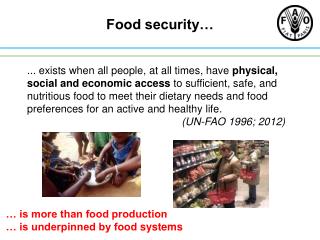
What is Food Security? • 3 Pillars • Availability–sufficient quantities of food available on a consistent basis • Access–having sufficient resources to obtain appropriate foods for a nutritious diet • Utilization–appropriate use based on knowledge of basic nutrition and care, as well as adequate water and sanitation STABILITY • Shifting from Conventional (imported) to Integrated (local) Food Systems
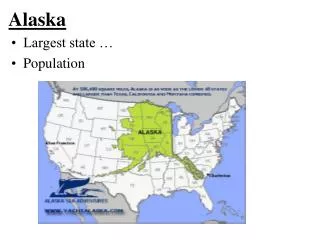
Food Production and Agriculture in Iceland vs. Alaska • Icelanders produce roughly half of the food they consume. • 100% of meat, fish, dairy, eggs, and 50% of vegetables • Dependent on imports of grain, sugar, fruit, and vegetables • Alaska currently imports 98% of its food. • Despite the large amount of gardening, hunting, fishing, and foraging • Annually, 85% of red meat from hoofed animals imported from outside • Iceland: 3200 farms, roughly 6% of the population • Alaska: 700 farms, roughly .1% of the population
Importance of Food Security in Iceland • Government Support • Subsidies • 34%- milk • 44%-sheep • small subsidy- tomatoes, cucumber, and paprika • Import duties • pork, poultry, eggs, flowers, potatoes, and some greenhouse and crop products • Farmer’s Association of Iceland • agricultural advisory service, animal breeding and preservation of national breeds, crop production and rotation, research and innovation, and forestry and soil conservation projects • “Part of our character” • Isolation • Historical Events • Recent Events • Economic Crisis • Volcanic Eruptions