SlideServe
Menu
Préférences
© SlideServe · v2026

Tornadoes and Hurricanes

len avatar
12 diapositives · 527 Views · Jul 25, 2014

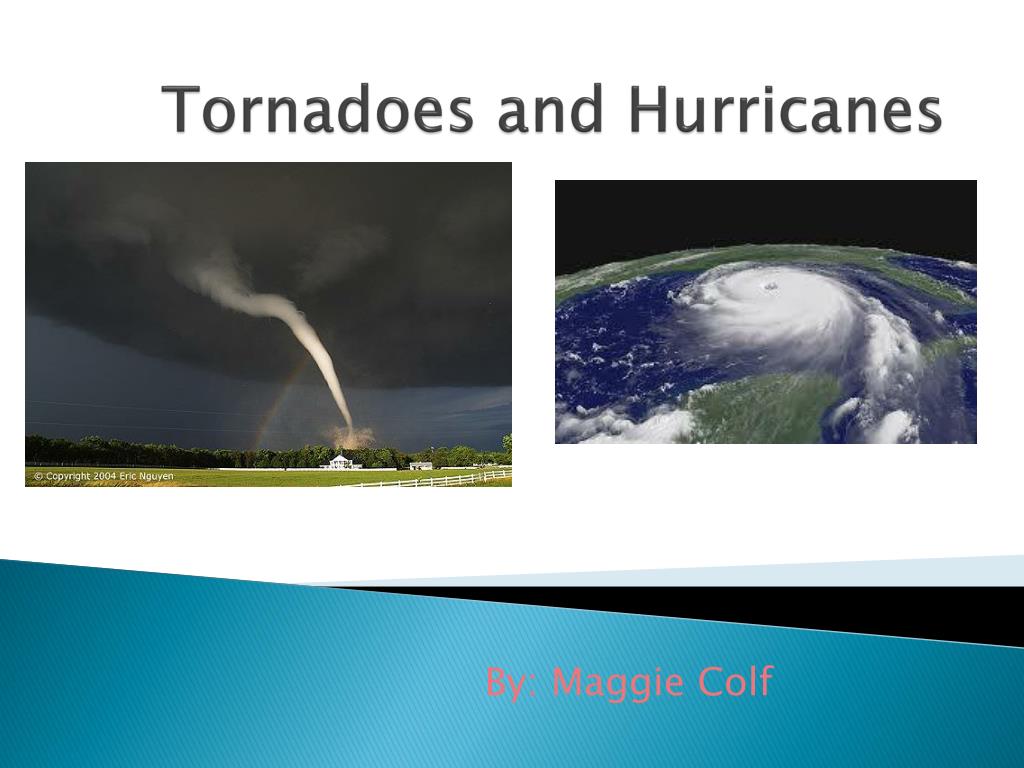
Tornadoes and Hurricanes. By: Maggie Colf. Tornadoes. “There is also disagreement as to whether separate touchdowns of the same funnel constitute separate tornado.”. Tornadoes are destructive and deadly. Tornadoes may not have a visible funnel. Tornadoes occur from supercells.
Tornadoes and Hurricanes - slide 1
01 / 12Tornadoes and Hurricanes
1 / 17

Télécharger la présentation

Tornadoes and Hurricanes
Une image / un lien ci-dessous est fourni (tel quel) pour télécharger la présentation

Politique de téléchargement : le contenu du site vous est fourni TEL QUEL pour votre information et votre usage personnel ; il ne peut être vendu, concédé sous licence ni partagé sur d’autres sites sans l’accord de son auteur.Le contenu vous est fourni TEL QUEL, pour votre information et votre usage personnel uniquement. Téléchargez la présentation en cliquant sur ce lien. Lors du téléchargement, si vous ne parvenez pas à télécharger une présentation, l’éditeur a peut-être supprimé le fichier de son serveur.Pendant le téléchargement, si vous ne parvenez pas à obtenir une présentation, le fichier a peut-être été supprimé par l’éditeur.

F I N

Plus de contenu associé

Transcription de la présentation
  1. Tornadoes and Hurricanes By: Maggie Colf

  2. Tornadoes “There is also disagreement as to whether separate touchdowns of the same funnel constitute separate tornado.” Tornadoes are destructive and deadly. Tornadoes may not have a visible funnel. Tornadoes occur from supercells. Truth is that we don’t fully understand. Supercells are rotating thunderstorms.

  3. Questions that I have on Tornadoes? Would we ever get a tornado? Why are the tornadoes so strong?

  4. This is What John Dipasquale told me. • Tornadoes here in WNY do occur, maybe 1 or 2 a year on average, but most of us don't see them year to year. When tornadoes do occur here in our area they are often weak EF0s or EF1s, which consists of wind speeds b/w 70 & 100 mph roughly. In order for tornadoes to become really strong & devastating like the ones that occured this spring in Kentucky, Indiana & Texas the conditions have to be "right". You need sharp contrasting air masses, warm & moist & cold & dry meeting. In addition to this you need wind shear, either direction or speed. What that means is the winds need to change direction with height from the ground up into the clouds &/or the wind speeds have to increase from the ground up. Hope this makes sense. All of these parameters just mentioned aid in the development of severe thunderstorms, which then can lead tornadoes, & possibly some very strong ones at that, i.e. EF3s, 4s & once in a great while even a 5!

  5. Here is a Quiz on Tornadoes http://kids.nationalgeographic.com/kids/games/geographygames/brainteasertornado/

  6. Video on Tornado • http://vimeo.com/39737375

  7. Hurricanes Only tropical cyclones that form over the Atlantic Ocean or eastern Pacific Ocean are called “ Hurricanes.” A hurricane is a huge tropical storm. Hurricanes are the most awesome, violent storms on Earth. In the Atlantic Ocean, hurricane season begins June 1 and lasts until November 30. People call these storms by other names, such as typhoons or cyclones, depending on where they occur. The scientific term for all these storms is tropical cyclone.

  8. Videos on Hurricanes http://vimeo.com/37808585

  9. Here is a Quiz on Hurricanes http://www.wxedge.com/articles/20120201blown_away:_a_hurricane_quiz

  10. Questions that I have on Hurricanes? • Would we ever get a Hurricane? • Why are the Hurricanes so strong?

  11. From John Dipasquale the meteorologist. • Hurricanes often don't affect us to terribly bad, but can move through in a weakened tropical storm/depression state, which is much weaker than a hurricane. We are too far inland to get a hurricane here in WNY, but the biggest threat from these monsters for us would be flooding rains, which is the #1 killer with regards to the weather. Hurricanes become very intense because of warm ocean waters & weak winds with a weak distbance/area of low pressure aloft &/or down at the ground, which allows clusters of thunderstorms to develop. Eventually this cluster grows bigger & bigger & into it's own circulation & identity...a hurricane. The more organized the cluster of storms gets & less disruption from upper level winds & dry air & cooler water temperatures (below 80 degrees) the stronger the storm gets. From channel 8 rochester news

  12. Any Questions