Understanding Watersheds and Polluted Runoff
Explore the significance of watersheds, polluted runoff, and ways to prevent water pollution through conservation and responsible practices. Discover the water cycle and the impact of urban runoff on water quality. Learn how to get involved and make a difference in protecting our water sources. Presentation by AmeriCorps VISTAs Eva Murphy and Marissa Pappas.

Understanding Watersheds and Polluted Runoff
E N D
Presentation Transcript
The Water Cycle Saturation/ Condensation Evaporation/ Transpiration Precipitation Percolation/Run off
Water: The Ultimate Recycling Process The same water that the dinosaurs drank is what we use today.
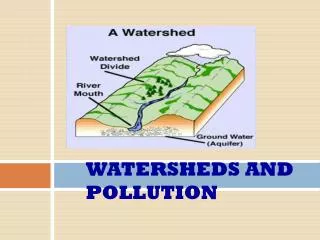
What is a watershed? • A watershed is the region of land which collects water that eventually drains into a lake, river, or the ground water. • Anywhere that you stand on the ground, you are in a watershed. • You are never outside of a watershed, you just cross from one boundary to the next.
Your Watershed We insert a GIS map of all of the surrounding watersheds of the school being presented to, and have a flag inserted at the schools location.
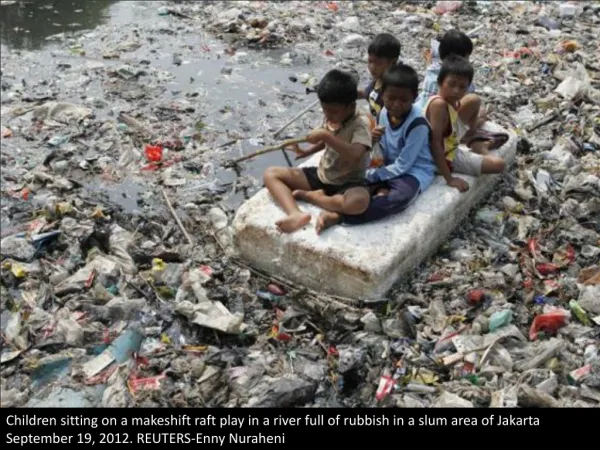
What is Polluted Runoff? • Caused by rain and flood water washing over our nations landscapes, picking up dirt, oil, fertilizer, pesticides, animal waste and other substances • Substances are then deposited into our rivers, lakes, bays, coastal waters, ground water, and even drinking water supplies. • 88% of the impairment of our streams and rivers are caused by polluted runoff.
What is urban runoff? • Is the third largest source of water quality impairments to surveyed rivers • Nonporous surfaces like roads, bridges, parking lots, and buildings are a huge part of the problem – cause flooding • Attract large amounts of traffic on roadways • Great deal of waste created • A single city block creates 9X more waste than an area of the same size outside the city. Independence Mall
What can we do to prevent Polluted Runoff? • Conserve water – inside and out • Do not fertilize your lawn before a rain storm or over-fertilize it so that the excess runs off into the streets • Take your car to a car wash where the water is treated and recycled. • Do not pour anything down your storm drain • Look for alternative forms of transportation, i.e.car pool, public transportation, bike, etc.
What can we do to prevent Polluted Runoff? • Clean up after your pets • Smart waste disposal, i.e. recycling, using proper receptacles to dispose of waste and hazardous waste, i.e. car batteries, solvents, pesticides, etc. • Become involved, join your local watershed group or volunteer monitoring organization • Get informed, learn all you can about your local watershed and about NPS pollution, with knowledge, we can make a difference
The End Presentation created by AmeriCorps VISTAs Eva Murphy and Marissa Pappas