Evaluating Economic Stimulus vs. Depression: Insights from 2009 Economic Trends
In February 2009, Steven Kyle from Cornell University analyzed the impact of economic stimulus measures amid the ongoing economic downturn. Key insights from a survey of 1,100 adults highlighted a significant drop in consumer confidence and spending, while future projections remained uncertain. Kyle emphasized the need for substantial stimulus to revive demand, comparing current conditions to historical precedents, such as post-WW2 recovery. He discussed the challenges of banking and the potential necessity of nationalizing banks to stabilize the economy. This analysis offers critical reflections on economic strategies and consumer behavior during tough times.

Evaluating Economic Stimulus vs. Depression: Insights from 2009 Economic Trends
E N D
Presentation Transcript
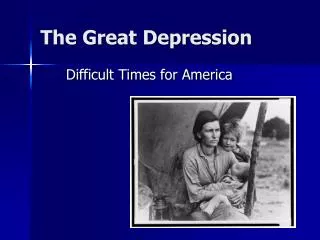
Stimulus or Depression? Steven Kyle Cornell University February 2009
Christmas Spending Plans Year Average Spending Percent Change American Research Group Survey Nov10-13; Tel. Interview with 1,100 Adults
What Will 2009 Look Like? • Still a way to go down in real estate • Commercial real estate just starting • House prices still need to fall • Stimulus won’t kick in right away • Only just now signed into law • Further lags after that • Monetary Policy all used up • Consumer Confidence still at rock bottom
Will it Turn Around? • IF we get a big enough stimulus then yes • Eventually, ratios will return to historical levels • See for example • Autos • Household debt
The Gap in Demand • GDP = C + I + G + Net Exports • C is down – People have rediscovered savings • I is down – Why invest if nobody is buying? • NX is down – The rest of the world is in recession also • That leaves only G able to expand
What Kind of Stimulus? • DO • Make it soon • Contribute directly to immediate spending • Extend Unemployment • Aid to state government • Aid to already-in-the-pipeline projects • Try to promote long run growth where possible
How Much? • Historical Context • WW2 is what got us out of the Great Depression – Deficits ranged as high as 25% of GDP – That was likely more than enough but still, it was huge • Chinese just announced stimulus of 20% of GDP • Goldman Sachs estimate of current gap at around 10% of GDP • Too much less dangerous than too little
Pushing on Strings • Don’t think that tax cuts will necessarily be spent • Consumers saved a large part of last May’s stimulus check • What would YOU do with sudden influx of money? • Don’t imagine that incentives to lend = actual lending • Banks don’t want to lend for good reason
About those banks … • Throwing money will work • If we throw enough we WILL make them solvent • Buying toxic assets • The problem is at what price to buy them? • If at market price then problem isn’t solved • If above market price then we should get ownership • But nobody knows the right price because there is no market in these assets
Nationalize the Banks? • Pros • If we are shoveling more money than they are worth then we should get ownership • If we don’t get ownership then we are bailing out stockholders and managers • If we don’t inflict pain on managers why should they avoid doing it again? • Automatic mechanism to recoup bailout money • It has been done successfully before
Nationalize the banks? • Cons • Governments make poor bankers • But are they worse than the geniuses who brought us this mess? • Ohmygod it’s SOCIALISM • But only temporarily – Will sell them back later • Politics very difficult