

SlideServe
Menu
Préférences
© SlideServe · v2026

Family life

mae avatar
7 diapositives · 364 Views · Jul 30, 2014

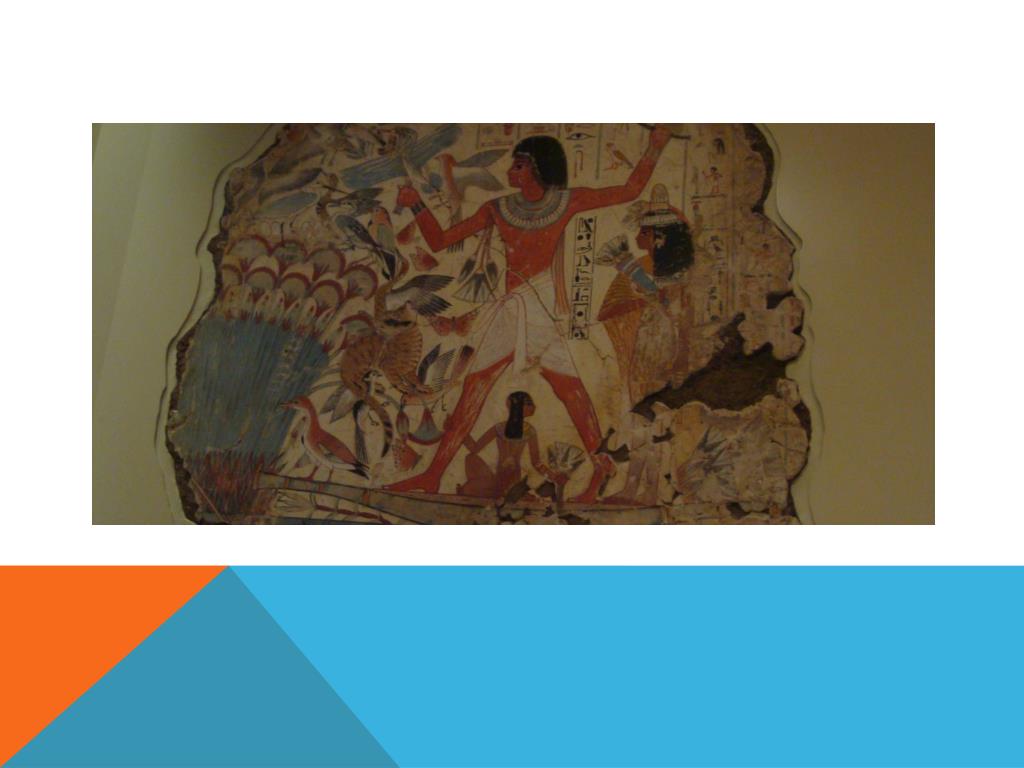
Family life. Men. women. Women took care of their home Some women worked outside the home as priestesses, administrators, and artisans Women did have legal rights Boys and girls could be educated. Men were supposed to marry young and raise families Men had many roles in Egyptian society
Family life - slide 1
01 / 7Family life
1 / 17

Télécharger la présentation

Family life
Une image / un lien ci-dessous est fourni (tel quel) pour télécharger la présentation

Politique de téléchargement : le contenu du site vous est fourni TEL QUEL pour votre information et votre usage personnel ; il ne peut être vendu, concédé sous licence ni partagé sur d’autres sites sans l’accord de son auteur.Le contenu vous est fourni TEL QUEL, pour votre information et votre usage personnel uniquement. Téléchargez la présentation en cliquant sur ce lien. Lors du téléchargement, si vous ne parvenez pas à télécharger une présentation, l’éditeur a peut-être supprimé le fichier de son serveur.Pendant le téléchargement, si vous ne parvenez pas à obtenir une présentation, le fichier a peut-être été supprimé par l’éditeur.

F I N

Plus de contenu associé

Transcription de la présentation

  1. Family life Men women Women took care of their home Some women worked outside the home as priestesses, administrators, and artisans Women did have legal rights Boys and girls could be educated • Men were supposed to marry young and raise families • Men had many roles in Egyptian society • Boys would leave school at 14 to work with their fathers

  2. Egyptian Achievements

  3. Egyptian Writing • Papyrus did not decay in Egypt’s climate and have remained until the present day • The Book of the Dead tells about the afterlife • Other works are stories, poems, as well as historical records and science texts • HS: Writing that has survived on papyrus reveals much about Egyptian life and culture • Egyptians wrote using hieroglyphics • They made paper called papyrus from reeds • There were more than 600 hieroglyphic symbols • The Rosetta Stone was discovered in 1799 • The stone contained the same text in hieroglyphics, another form of Egyptian and Greek • HS: It was the key to learning how to read hieroglyphics

  4. Temples, tombs, and Art • The Egyptians built impressive temples that have survived to the present day • These temples were seen as the home of the gods and the Egyptians went there to worship the gods, bring offerings, and to ask for favors • Sphinxes –”imaginary creatures with the bodies of lions and the heads of other animals or humans” p.104 • Obelisk –”a tall, four-sided pillar that is pointed on top” p.104 • Temples were very ornately decorated with paintings and hieroglyphics and statues of gods and pharaohs, they were built to honor the gods • HS: Certain Egyptian temples still exist today and they tell us much about Egyptian culture.

  5. The Egyptians were very skilled artists • They made very detailed paintings of Egyptian daily life and mythical scenes on temple and palace walls • They were skilled stoneworkers and made exquisite jewelry • Pharaoh's tombs were full of spectacular riches • King Tutankhamen’s tomb is famous for the riches found inside

  6. Ancient Egypt • Ancient Egypt was a thriving culture that had tremendous influence on the ancient world and to the present day. • Consider how are lives have been influenced by Egyptian culture.