

SlideServe
Menu
Préférences
© SlideServe · v2026

Porto

megara avatar
21 diapositives · 429 Views · Oct 13, 2014

Porto. Prof. Karen Goodlad Spring 2012. What is Porto?. Fortified Grape Wine From Douro, Portugal Oldest Demarcated Wine Region Long History of Trade with England Rural Area Winding Douro River Vila Nova de Gaia. Map of Douro. The Douro Production Region. Prime Port Producing Area.
Porto - slide 1
01 / 21Porto
1 / 17

Télécharger la présentation

Porto
Une image / un lien ci-dessous est fourni (tel quel) pour télécharger la présentation

Politique de téléchargement : le contenu du site vous est fourni TEL QUEL pour votre information et votre usage personnel ; il ne peut être vendu, concédé sous licence ni partagé sur d’autres sites sans l’accord de son auteur.Le contenu vous est fourni TEL QUEL, pour votre information et votre usage personnel uniquement. Téléchargez la présentation en cliquant sur ce lien. Lors du téléchargement, si vous ne parvenez pas à télécharger une présentation, l’éditeur a peut-être supprimé le fichier de son serveur.Pendant le téléchargement, si vous ne parvenez pas à obtenir une présentation, le fichier a peut-être été supprimé par l’éditeur.

F I N

Plus de contenu associé

Transcription de la présentation
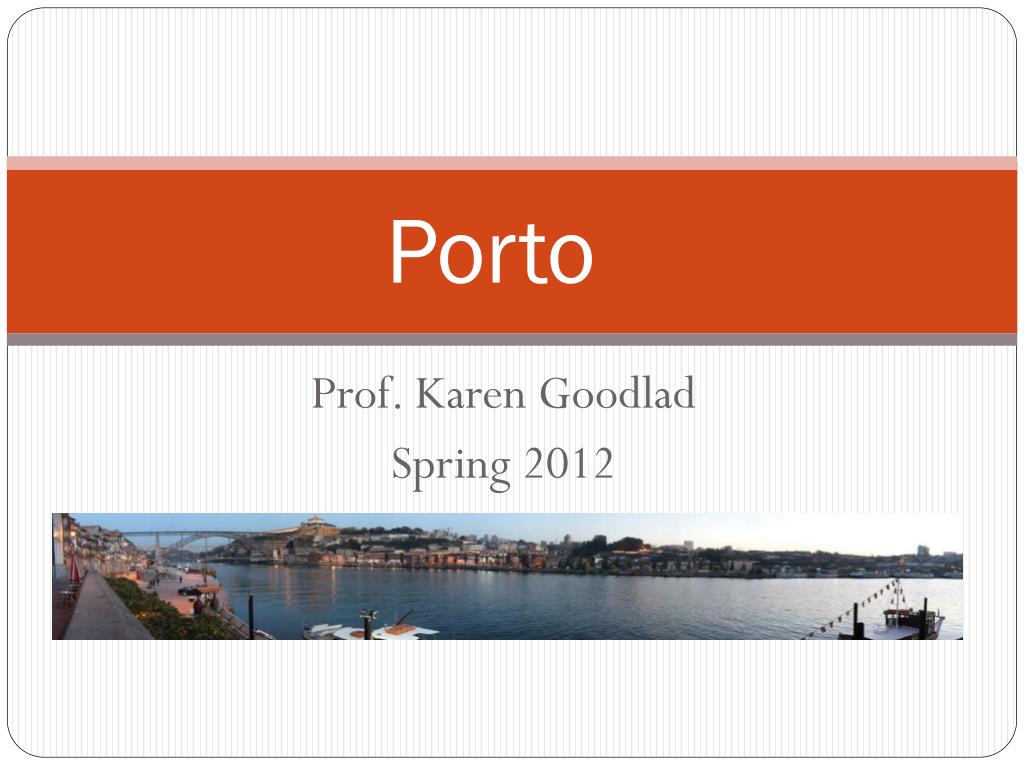
  1. Porto Prof. Karen Goodlad Spring 2012

  2. What is Porto? • Fortified Grape Wine • From Douro, Portugal • Oldest Demarcated Wine Region • Long History of Trade with England • Rural Area • Winding Douro River • Vila Nova de Gaia

  3. Map of Douro

  4. The Douro Production Region Prime Port Producing Area Douro Superior Baixo Corgo Cima Corgo

  5. The Grapes of Porto • TourigaNacional • TintaCão • TintaRoriz • TintaBarroca • TourigaFrancesa • TintaAmarela • MalvesaFina/Vital

  6. TintaBarroca Tinto Cão TintaAmarela

  7. TourigaFrancesa Touriga National TintaRoriz

  8. Traditional Terraces

  9. Patamares and Vertical Planting VERTICAL PATAMARES

  10. Soil • Pre-Cambrian schists • Plantings only on vertical profiles Vertical Schist Formation

  11. Natural factors Vineyard location Altitude Soil Stoniness of soil Slope Exposure Shelter from wind Factors influenced by man Production/Yield Viticulture Grape Varieties Spacing Age of vines Vineyard Classification - Criteria: Vineyards, Quinta de Vargellas

  12. How is Porto Made? • Grapes crushed • Historically, foot trodding in lagares • Modern, pump over and • Extract most color from manta • Fermentation interrupted after about 3 days • Wine is about 6-8% alc. • Aguardente is added to arrest fermentation • The wine is now fortified • 450L of fermenting must requires 100L of grape spirit. • Stored, Depending on Style of Port

  13. Winemaking – Non Vintage Fladgate Partnership’s Piston Fermenter - 2001 Post -1980 (Industry) Pump - Over Pre -1980 99% R.P. 60% R.P. 40% R.P.

  14. Styles of Porto Ruby Style Tawny Style Reserva/Vintage Character Single-quinta LBV Vintage Aged 10 year 20 year 30 year 40 year Colheita

  15. Major Differences BetweenRuby and Tawny Porto Ruby Tawny

  16. Pairing Porto • Ruby • Tawny

  17. Serving Porto • Vintage Ports must be Decanted • ~59-64˚ Temperature • Chilled for white port • 3-4 oz. pours • In a white wine style glass • Serve just before dessert, cheese course or as an aperitif

  18. Terms to Know • Quinta • Tawny • Ruby • LBV • Vintage • Colheita • Grape Varieties

  19. http://www.taylor.pt/prof_frame.htm • http://www.fonsecaport.com/index_.htm