Understanding Cultural Values and Health Care Beliefs Across Diverse Ethnicities
Culture encompasses the learned, shared, and social values, beliefs, attitudes, languages, symbols, rituals, behaviors, and customs unique to a group, evolving over generations. Important characteristics include its dynamic nature, influenced by ethnicity and race. Cultural diversity affects individual health care beliefs, as seen in religious considerations like blood transfusions or end-of-life rituals across various faiths. Understanding these cultural factors, including personal space and communication preferences, is essential for providing holistic health care that addresses the mental, social, and physical well-being of individuals.

Understanding Cultural Values and Health Care Beliefs Across Diverse Ethnicities
E N D
Presentation Transcript
Culture Values, beliefs, attitudes, languages, symbols, rituals, behaviors and customs unique to a group of people and are passed from one generation to another.
Basic Characteristics • Learned • Shared • Social • Dynamic
Classification Based on: • Ethnicity - national origin/culture • Race – physical or biological
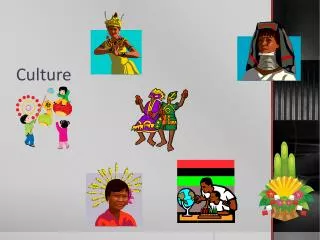
Cultural Diversity Differences in people based on culture, ethnicity or race
Holistic Care • Well being of whole person: • Mental • Social • Physical
Family Language Personal Space Touching Eye Contact Gestures Health Care Beliefs Spirituality Religion Health Care Considerations
Religious Considerations • Blood transfusion – Christian Scientist, Jehovah’s Witness • Touch – Islam • Last rites – Catholicism, Judaism • Special garment/relic – Mormon, Native American
Religious Considerations Continued • Atheist – No belief in deity • Agnostic – Belief existence of deity cannot be prove or disproved
Cultural Considerations • Hispanic/Native American – avoid eye contact, speak softly • Asian/South African/Middle Eastern – tolerate/endure pain