Understanding the Delmarva Fox Squirrel: Characteristics, Habitat, and Conservation
The Delmarva Fox Squirrel, or Sciurus niger cinereus, is a unique mammal found on the Delmarva Peninsula. Characterized by a steely grey coat with a white belly, this squirrel can grow up to 30 inches long and weigh up to 3 lbs. It inhabits mature forests, favoring closed canopies and open understories. With a diet focused on nuts, seeds, and fruits, it plays a crucial role in its ecosystem. Once near extinction, conservation efforts have increased its population since being listed as endangered in 1967, highlighting the importance of habitat protection.

Understanding the Delmarva Fox Squirrel: Characteristics, Habitat, and Conservation
E N D
Presentation Transcript
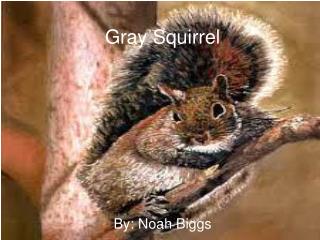
Delmarva Fox Squirrel By: Sara Buckley
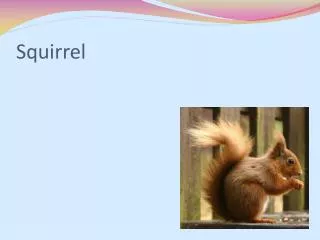
Delmarva Fox Squirrel • Sciurus niger cinereus • Steely grey with white belly • Black edges on tail • Up to 30in long • Up to 3lbs
Habitat • Mature forests • Hardwood and pine mixtures • Closed canopy • Open understory • Decidious swamps close to pine woodlands
Diet • Nuts and seeds • Farm fields • Buds and flowers • Fungi • Insects • Fruit • Mature green pine cones
Behaviour • Quieter than Grey Squirrel • Prefers open spaces • Traverses forest floor • Avoids confrontation • Active year round
Distribution • Small isolated populations on Delmarva Penisula • Average home range of 40 acres
Reproduction • 44-45 day gestation • 1-7 kits per litter • Mating season- late winter, early spring • Up to two litters a year • Reaches sexual maturity at one year • Likes to nest in hollow trees
History • Historically found from southern New Jersey to southeast Pennsylvania • By early 1900s, only found in 4 counties in east Maryland • Listed as endangered in 1967 • Given protection under Endangered Species Act
Status • Federal- Endangered • Delaware- Endangered • Sussex County, DE- Experimental Population, Non-Essential
Cause for listing • Deforestation • Agricultural development • Timber industry • Forced to compete with grey squirrels
Predators • Humans • Red foxes • Minks • Weasels • Raptors • Dogs • Cats • Racoons • Opossums • Rat Snakes • Cars
Conservation • Habitat protection began in 1945 • Hunting banned in 1971 • Closely monitored populations • Breed and release (11 of 16 successful) • Educate the public • Farmers leave uncut crops for squirrels • Artificial den boxes
Impact if eliminated • Loss of food source • Loss of seed spreading
References • http://www.raywilsonbirdphotography.co.uk/Galleries/Mammals/Delmarva%20Fox%20Squirrel.html • http://www.wildlifeadvocacy.org/programs/fox_squirrel.html • http://www.fs.fed.us/database/feis/animals/mammal/scni/all.html#21 • http://www.fws.gov/endangered/esa-library/pdf/squirrel.pdf • http://ecos.fws.gov/roar/pub/planImplementationStatus.action?documentId=600097&entityId=10 • http://ecos.fws.gov/speciesProfile/profile/speciesProfile.action?spcode=A00B#lifeHistory • http://www.chesapeakebay.net/fieldguide/critter/delmarva_fox_squirrel