Leaf Structure and Function: Exploring Photosynthesis and Water Conservation Mechanisms
This chapter delves into the intricate structure of leaves and their essential functions in photosynthesis and water conservation. It covers leaf shapes, sizes, and arrangements, highlighting the roles of mesophyll, epidermal cells, and stomata in gas exchange and moisture retention. We explore the physiological adaptations that optimize light absorption and carbon dioxide diffusion while minimizing water loss. The influence of environmental factors on transpiration rates and the mechanisms behind stomatal function and leaf abscission are also discussed, providing a comprehensive insight into the dynamic role of leaves in plant health.

Leaf Structure and Function: Exploring Photosynthesis and Water Conservation Mechanisms
E N D
Presentation Transcript
Function – photosynthesis • Shape – • max. light absorption • Diffusion of CO2 and O2 • Ordered arrangement for light • Loss of water vapor • Trade off between photosynthesis and water conservation
External form • Shapes – round, need, scalelike, cylindrical, heart, fan, thin, narrow • Size – 20m to < .5 cm • Blade, petiole, stipules • Simple, compound • Axil region
Fig. 35-6a (a) Simple leaf Petiole Axillary bud
Fig. 35-6b Leaflet (b) Compound leaf Petiole Axillary bud
Fig. 35-6c (c) Doubly compound leaf Leaflet Petiole Axillary bud
Fig. 35-6 (a) Simple leaf Petiole Axillary bud Leaflet (b) Compound leaf Petiole Axillary bud (c) Doubly compound leaf Leaflet Petiole Axillary bud
Leaf arrangement • Alternate – 1 leaf each node • Opposite – 2 leaves each node • Whorled – 3+ leaves each node
Leaf Venation • Veins = vascular tissue • Parallel • Netted • Palmately – from 1 point • Pinnately – branch from entire length of midvein
Leaf tissues • Upper epidermis + Lower epidermis • No chloroplasts/transparent • Cuticle – waxycutin • Trichomes – hairlike (fuzzy) • Retain moisture next to leaf, reflect light • Secrete irritants – herbivores • Texture – deter insects walk/eat • Excrete excess salts
Fig. 35-9 EXPERIMENT Bald pod (no trichomes) Very hairy pod (10 trichomes/ mm2) Slightly hairy pod (2 trichomes/ mm2) RESULTS Very hairy pod: 10% damage Slightly hairy pod: 25% damage Bald pod: 40% damage
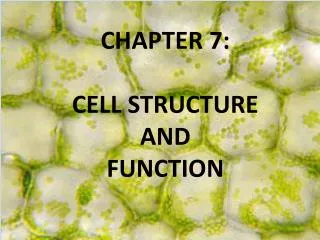
Subsidiary cells – epidermal; water and ions supplied to guard cells • Stomata (opening) + guard cells • Open/close stoma • Only epidermal cells with chloroplasts • Lower epidermis (land); upper epidermis (aquatic)
Fig. 35-18b Guard cells Stomatal pore 50 µm Epidermal cell (b) Surface view of a spiderwort (Tradescantia) leaf (LM)
Mesophyll – photosynthetic ground tissue • Btw. Upper and lower epidermis • Parenchyma – chloroplasts • Air spaces – gas exchange • 2 sublayers: • Palisade mesophyll – top, columnar cells, close together • photosynthesis • Spongy mesophyll – lower, loose and irregularly shaped • Gas exchange
Vascular bundles – veins – through mesophyll • Xylem (top) and phloem (bottom) • Bundle sheath • Nonvascular, around vein • Parenchyma or sclerenchyma
Fig. 35-18 Guard cells Key to labels Stomatal pore 50 µm Dermal Epidermal cell Ground Cuticle Sclerenchyma fibers Vascular Stoma (b) Surface view of a spiderwort (Tradescantia) leaf (LM) Upper epidermis Palisade mesophyll Spongy mesophyll Bundle- sheath cell Lower epidermis 100 µm Cuticle Xylem Vein Phloem Vein Air spaces Guard cells Guard cells (a) Cutaway drawing of leaf tissues (c) Cross section of a lilac (Syringa)) leaf (LM)
Fig. 35-18a Key to labels Dermal Ground Cuticle Sclerenchyma fibers Vascular Stoma Upper epidermis Palisade mesophyll Spongy mesophyll Bundle- sheath cell Lower epidermis Cuticle Xylem Vein Phloem Guard cells (a) Cutaway drawing of leaf tissues
Fig. 35-18c Upper epidermis Key to labels Palisade mesophyll Dermal Ground Vascular Spongy mesophyll Lower epidermis 100 µm Air spaces Guard cells Vein (c) Cross section of a lilac (Syringa) leaf (LM)
Functioning of Stomata • Day – open – photosynthesis • Water moves into guard cells turgid + bend pore • Night – close • water leaves guard cells flaccid collapse close pore • Prolonged drought – stomata close (even in day) • Drop in CO2 in leaf – stomata open, even in dark • Photosynthesis (occurs in light) reduces internal concentration of CO2 in leaf, triggering stomata to stay open
Details of Stomatas Opening/Closing • H+ and K+ move across PM of guard cells • Blue light triggers K+ to move into guard from subsidiary/epidermal cells • Active transport – ATP • ATP provides energy to pump H+ out of guard • Removal of H+ makes electrochemical gradient to drive uptake of K+ • Uptake of K+ in guard increases solute conc. In vacuoles water enters guard from surrounding cells by osmosis
Result increase in turgidity changes guard shape • Almost opposite happens to close stomata • Evidence that increase in Ca2+ conc. In guard triggers closure
Transpiration • Loss of water vapor by evaporation • Responsible for water movement in plants • Factors influencing rate: • Temperature • Light • Wind + dry air
Benefits • Cools stems and leaves • Distributes minerals • Harmful effects • Loose more water than take in during heat loss of turgidity wilt • Temporary wilting of plant can “come back”
Leaf Abscission • Fall off, once/year • Many changes • Plant hormones – ethylene, abscisic acid (ABA) • Abscission zone – near base of petiole • Weak, parenchyma and few fibers
Modified leaves • Spines – animals • Tendrils – vine attachment • Bud scales – winter buds • Bulb – short underground stem with fleshy leaves for storage • Succulent leaves – water storage in dryness • Insectivorous plants