Bioblitz at Reed Hall Pond: A Dive into Aquatic Biodiversity
Join us in exploring the results of a three-hour bioblitz at Reed Hall Pond, led by Derek Harper. Over 23 different aquatic species were identified across six sample sites, revealing a rich diversity including one fish, species of fresh water snail, damselflies, caddisflies and several other invertebrates. Various plant species were also noted. The bioblitz highlights the impacts of shading on aquatic life and showcases measures taken to enhance habitats, including improved aeration and removal of excess vegetation.

Bioblitz at Reed Hall Pond: A Dive into Aquatic Biodiversity
E N D
Presentation Transcript
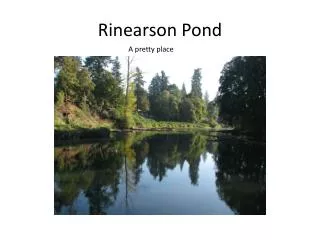
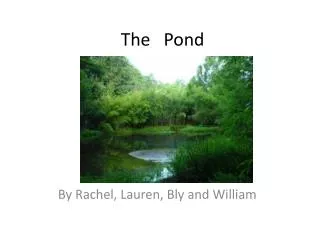
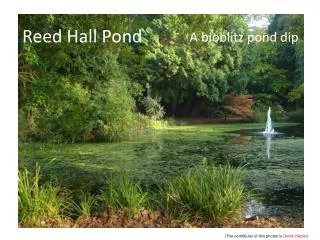
Reed Hall Pond A bioblitz pond dip • (The contributor of this photos is Derek Harper)
Basic facts • 6 sites, 3 hours of sampling • 23 different animals • 1 fish • 1 species freshwater snail • 1 mayfly species • 2 species damselflies • 3 species cased caddisflies • 2 species beetles • 2 different water bugs • 1 species fly • 2 species crustacean • 1 species water mite • 3 different oligochaete worms • 2 different leeches • 6 different aquatic/emergent plants
The site Sample site 4 1 5 2 6 3
What we found 4 1 5 2 6 3
Basic stats 4 1 5 2 6 3
Canopy shading 4 1 5 2 6 3
What’s going on? 4 Impact of fountain 1 5 2 6 3
Number of taxa and Diversity 4 1 = Diversity index 5 2 6 3X 3 4X 3.6X 1 = 1 taxon, 2 individuals 3.4X 2,424 X
Reasons? Shading = reduced light = less phytoplankton production? Shading = leaves = organic input, too much? Shading = hiding places for Koi carp = heavier predation of invertebrates? Poorer aeration (unlike other end with a fountain)?
As a result… • Foliage trimmed back, larger plants removed • Leaf litter dredged • Removed choking pondweed • Whole pond aerated • Koi carp netted off • More habitats for invertebrates created • Second fountain running