Understanding Visual Learners and Islamic Calligraphy
This document explores the characteristics of visual learners, highlighting their strengths in visual thinking, organization, and memory retention. It also discusses the significance of Islamic calligraphy, its presence in mosques, and the practices surrounding Muslim prayer. The synthesis of these two topics illustrates how visual learning styles can enhance understanding of complex cultural and religious concepts, contributing to a deeper appreciation of Islamic art and practices.

Understanding Visual Learners and Islamic Calligraphy
E N D
Presentation Transcript
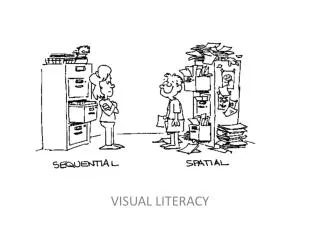
Characteristics of the Visual Learner • Thinks primarily in pictures • Has visual strengths • Relates well to space • Learns concepts all at once • Learns complex concepts easily; struggles with easy skills • Is a good synthesizer • Sees the big picture; may miss details
Must visualize words to spell them • Prefers keyboarding to writing • Creates unique methods of organization • Arrives at correct solutions intuitively • Learns best by seeing relationships • Has good long-term visual memory • Learns concepts permanently; is turned off by drill and repetition • Is a late bloomer
ISLAMIC CALLIGRAPHY • What does this say about Islam? • No images are allowed • Idolatry • Where are you likely to find such calligraphy? • In Mosques • What’s a mosque? • What is the Arabic term for a mosque? • What happens in mosques?
ISLAMIC CALLIGRAPHY cont. • What do you know about Muslim prayer? • Preparation for prayer • Separation of men and women? • Whose request? • How often do they pray? • Where do they prayer • What direction do they face? • Why do they stand so close together? • What is the umma? • Different types of prayer