Ethical Decision-Making in Nonprofits: Navigating Situational Ethics
Join Dianne Lister, LL.B., CFRE, Vice President of External Relations and Advancement at Trent University, in an engaging workshop that delves into ethical decision-making in the nonprofit sector. Explore critical issues such as unrealistic goals, donor relations, and the pressures faced by leaders today. Through case studies, discussions on societal needs, and the importance of transparency, participants will gain insights on balancing fiduciary duties with ethical responsibilities. Enhance your leadership skills and uphold public trust—essential for thriving in an increasingly competitive landscape.

Ethical Decision-Making in Nonprofits: Navigating Situational Ethics
E N D
Presentation Transcript
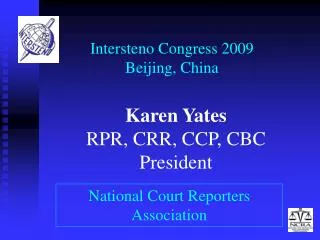
AFP Congress 2009 Ethical Decision-Making vs. Situational Ethics Dianne Lister, LL.B., CFRE Vice President External Relations + Advancement Trent University
Workshop Agenda • Welcome - Your Interests and Concerns • Today’s Climate and Pressure Points 3. Case Studies • CDO vs. CEO/Board • Unrealistic goals and Undue influence • Donor Relations/Appearance of impropriety • Honest broker tensions 4. Q &A and Wrap
Today’s Climate • Off-loading of services from government to NFP sector • Societal needs growing • Insufficient resources/core funding • Increased competition for private $$ • New and innovative social enterprises • Fiduciary and ethical responsibilities
The Three “S’s” Scandal ►Scrutiny + Scepticism • Public trust issues • Self-regulation vs. government regulation • Investigative reporting • Heightened accountability • Need for transparency • Multiple stakeholders
What’s different now? • Complex relations with partners; outside our competency? • Unprecedented revenue generation expectations; fewer resources • Personal stress levels up • “feel handcuffed, unfocussed and worried”
The risk of situational ethics “Once integrity goes the rest is a piece of cake” J.R. Ewing (Larry Hagman) From 1978 CBS hit series, Dallas
Case Studies # 1 CDO vs. CEO/Board
Case Studies # 2 Unrealistic goals and undue influence
Case Studies # 3 Donor Relations and the Appearance of Impropriety
The Appearance of Impropriety Definitions of Impropriety: immodesty, indecency, rudeness, incongruity, vulgarity, impudence, unseemliness, incorrectness, erroneous or unsuitable expression or act
Case Studies # 4 # 4 Honest Broker Tensions
How to Practice Ethical Decision-Making • Meditation, relaxation, exercise • Take your pulse; ask others about your leadership choices • Professional coaching; mentor others • Listen to the voice and the guts • Case studies in safe places • Use AFP/other codes + resources as training materials for PD workshops
How to Practice Ethical Decision-Making • Adopt Donor Bill of Rights/IC Code at Board level and train on a regular basis • Remember ► uphold public trust and protect your personal and institutional reputations
Wrap and Questions Thank you! Dianne Lister diannelister@trentu.ca 705-748-1011