Importance of Information Literacy in the Age of Misinformation
A reflection on the impact of Hurricane Sandy misinformation and a lesson on the critical need for information literacy skills in navigating the vast ocean of data available online. Learn how to identify, evaluate, and use sources effectively.

Importance of Information Literacy in the Age of Misinformation
E N D
Presentation Transcript
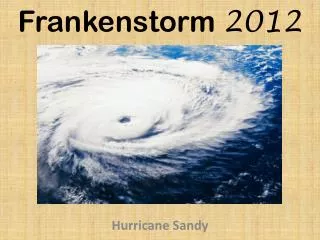
Frankenstorm2012 Hurricane Sandy
And a lesson for me about checking my sources, no matter what ...
I decided I had to check to see if anyone else had seen them: She might even be able to submit the photos to CNN or CBC
So I went to the Internet And I searched “Hurricane Sandy + shark photos” Google found hundred of websites for me so I clicked on the first one on the list: www.snopes.com
www.snopes.com is a website that exposes fake photos & news stories
What is INFORMATION LITERACY? • our ability to identify: • WHAT information is needed; • understand HOW the information is organized; • identify the best sources of information for a given need or WHY the source works for you; • locate those sources (WHERE); • evaluate the sources critically by looking at WHO is the author; • and share that information WHEN your teacher collects the assignment.
Let’s check out my literacy: What: cool shark photos from Hurricane Sandy How: on an iPhone camera roll Why: I have no reason not to trust this person & they’re awesome Where: at my hair salon Who: an employee When: interest; to show others; WOW
Why do you and I need good INFORMATION LITERACY SKILLS? • We are surrounded by a growing ocean of information in all formats; • Not all information is created equal: • some is authoritative, current, reliable; • some is biased, out of date, misleading, false; • The amount of information available is going to keep increasing so … • So we need a way to distinguish between what is GOOD INFORMATION AND WHAT ISN’T.
THIS IS CRITICAL THINKING • Is the ability to find a fact or a piece of information; • Show that it’s relevant (important); • And then ... • show how or why it is relevant.
Websites • written by anyone (you don’t have to be an expert); • Content is not necessarily checked by anyone so it may be inaccurate; • Information for citations is rarely available; • Usually not organized to support student research needs; • May not be current information or indicate when a page was last updated; • Available to anyone with an internet connection inside or outside the library.
Databases • Also websites but require a paid subscription; • Information is from published works (magazines, journals, newspapers); • Gives you access to full-text articles that can be printed or e-mailed; • Are selected by your friendly librarians to meet your needs specifically; • Get their information from experts in the field; • Facts are checked and double checked; • Easy to cite (often they do it for you); • Updated regularly; • Can be accessed at school and at home.