Key Factors Impacting Biomass Pellet Performance in Boiler Systems
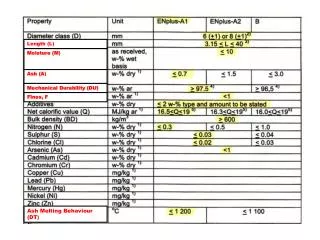
Understanding the essential characteristics of biomass pellets is crucial for optimizing their performance in boiler systems. Key factors include length, moisture content, ash percentage, and mechanical durability. Pellets must have an optimal length to prevent blockages during transport. Moisture levels should be maintained below 10% for ideal combustion. Low ash content is preferred for cleaner burning, despite its presence due to raw materials. Additionally, mechanical durability impacts the overall efficiency of the pellet usage. Attention to these factors enhances boiler performance and reduces maintenance issues.

Key Factors Impacting Biomass Pellet Performance in Boiler Systems
E N D
Presentation Transcript
Length (L) Moisture (M) Ash (A) Mechanical Durability (DU) Fines, F Ash Melting Behaviour (DT)
Length- is important for successful movement of pellets from the hopper into the boiler system. Long pellets can cause disruption in the auger / suction feeds- blocking them and causing damage to surrounding pellets. Equally, very short pellets can break apart easier and cause a higher fines content in the hopper. Moisture- there should not be a high % of moisture within a pellet, but likewise the pellet shouldn’t possess a very low moisture content. <10% is optimum because the pellets are not too dry that they become very hard, nor too soft that they decay and break easily. Ash- is a very good fertiliser but whilst soils may like it, biomass burners don’t! Pellets should have a very low ash content for cleaner burning – although it is a component which will always remain in pellets due to the timber raw material.