SlideServe
Menu
Préférences
© SlideServe · v2026

Blood Typing

rory avatar
16 diapositives · 424 Views · Jul 24, 2014

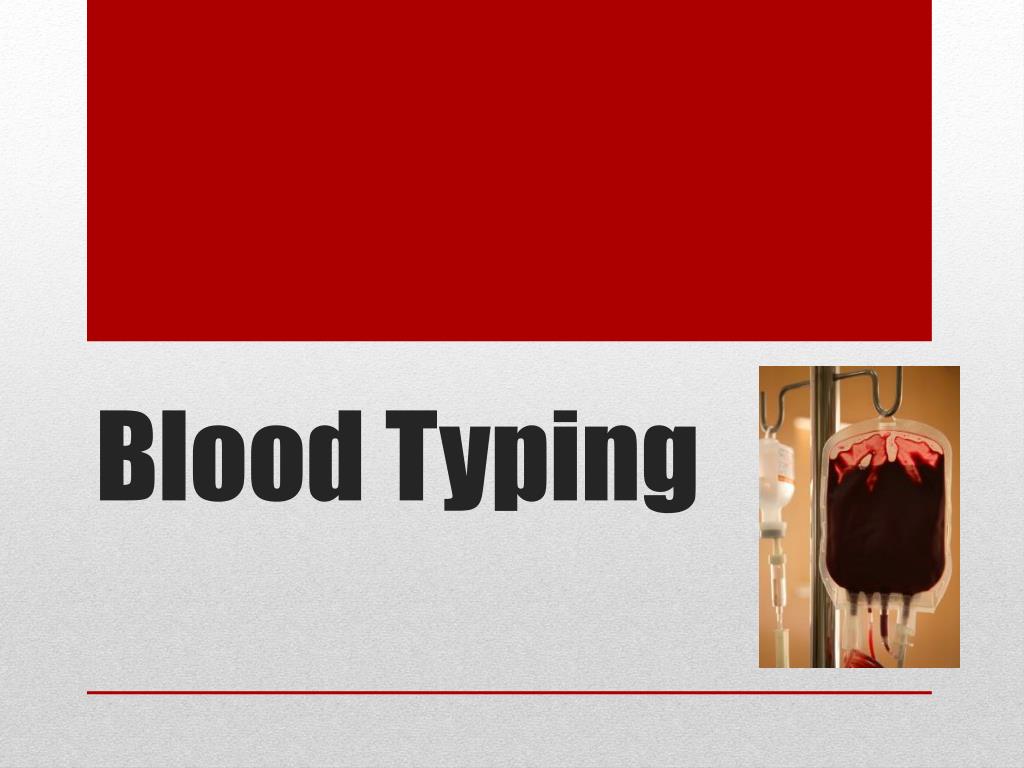
Blood Typing. If you lose more than 15-30% of your blood, pallor and weakness will result. If you lose more than 15-30% of your blood, pallor and weakness will result. More than 30% will result in shock and possibly death.
Blood Typing - slide 1
01 / 16Blood Typing
1 / 17

Télécharger la présentation

Blood Typing
Une image / un lien ci-dessous est fourni (tel quel) pour télécharger la présentation

Politique de téléchargement : le contenu du site vous est fourni TEL QUEL pour votre information et votre usage personnel ; il ne peut être vendu, concédé sous licence ni partagé sur d’autres sites sans l’accord de son auteur.Le contenu vous est fourni TEL QUEL, pour votre information et votre usage personnel uniquement. Téléchargez la présentation en cliquant sur ce lien. Lors du téléchargement, si vous ne parvenez pas à télécharger une présentation, l’éditeur a peut-être supprimé le fichier de son serveur.Pendant le téléchargement, si vous ne parvenez pas à obtenir une présentation, le fichier a peut-être été supprimé par l’éditeur.

F I N

Plus de contenu associé

Transcription de la présentation
  1. Blood Typing

  2. If you lose more than 15-30% of your blood, pallor and weakness will result.

  3. If you lose more than 15-30% of your blood, pallor and weakness will result. • More than 30% will result in shock and possibly death.

  4. If you lose more than 15-30% of your blood, pallor and weakness will result. • More than 30% will result in shock and possibly death. • Whole blood transfusions are given to replace substantial blood loss and treat severe anemia.

  5. If you lose more than 15-30% of your blood, pallor and weakness will result. • More than 30% will result in shock and possibly death. • Whole blood transfusions are given to replace substantial blood loss and treat severe anemia. • Blood is collected, an anti coagulant is added to prevent clotting, and it is stored in a refrigerator for up to 35 days at 4ºC.

  6. If you lose more than 15-30% of your blood, pallor and weakness will result. • More than 30% will result in shock and possibly death. • Whole blood transfusions are given to replace substantial blood loss and treat severe anemia. • Blood is collected, an anti coagulant is added to prevent clotting, and it is stored in a refrigerator for up to 35 days at 4ºC. • Must get the correct blood type because the plasma membranes of red blood cells (RBC’s) have genetically determined proteins or antigens.

  7. An antigen is protein that the body sees as foreign and the immune system releases antibodies against them. Red Blood Cells (RBC’s)

  8. An antigen is protein that the body sees as foreign and the immune system releases antibodies against them. • We can tolerate proteins for our blood type, but another type is foreign and will be attacked by our immune system. Red Blood Cells (RBC’s)

  9. An antigen is protein that the body sees as foreign and the immune system releases antibodies against them. • We can tolerate proteins for our blood type, but another type is foreign and will be attacked by our immune system. • Causes agglutination, or clumping, which clogs small blood vessels. Red Blood Cells (RBC’s)

  10. Antibodies are present in the plasma which will attack RBC’s with surface antigens that are not the same as the individual’s blood type. Agglutination

  11. The A blood type is found in about 41% of the American population. • Can receive blood from A and O donors. ABO Blood Types

  12. The B blood type is found in about 10% of the American population. • Can receive blood from B and O donors. ABO Blood Types

  13. The AB blood type is found in about 4% of the American population. • Can receive blood from A, B, AB, and O donors. ABO Blood Types

  14. The O blood type is found in about 44% of the American population. • Can receive blood from O donors. ABO Blood Types

  15. Rh+ 85% of the population • Rh- No antibodies are normally present. If an Rh- individual receives RH+ blood, anti Rh+ antibodies will be produced. • If individual receives a second Rh+ blood transfusion, antibodies will attack and rupture the Rh+ blood. Rh Factor

  16. If an Rh- woman has an Rh+ baby, her immune system will produce anti Rh+ antibodies after exposure to the fetal blood in the placental bloodstream. • Mothers are treated with Rhogam during pregnancy and after delivery to prevent the formation of these antibodies. • Without treatment, mother’s antibodies could kill baby and complicate future pregnancies. Important Rh Factor Problem