Comprehensive Job Hazard Analysis and Safety Procedure Guidelines for OSHA Compliance
This document outlines standard operating procedures (SOP) for conducting Job Hazard Analyses (JHA) and Job Safety Analyses (JSA) in compliance with OSHA regulations. It identifies seven potential causes of injury, including falls, electrical contact, caught-in hazards, and exposure to harmful substances. The SOP promotes proactive measures such as training, observation, signage, and accountability systems to mitigate risks. It also addresses contributing factors like engineering design, administrative practices, and human behavior, emphasizing the importance of clear communication and adequate resources to ensure safety in the workplace.

Comprehensive Job Hazard Analysis and Safety Procedure Guidelines for OSHA Compliance
E N D
Presentation Transcript
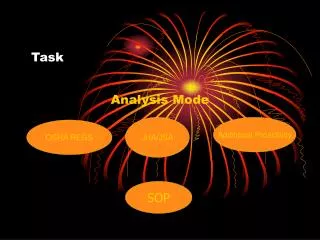
Task JHA/JSA Additional Proactivity OSHA REGS Analysis Mode SOP
Job Hazard Analysis/Job Safety Analysis • OSHA Regs Minimally + Additional Colgate/Contractor Provisions • 7 Potential Injury Causes 1) Falls to same level or from elevation 2) Struck on, by, or against 3) Contact with electricity, acids or bases, hot or cold surfaces 4) Caught in, on or between (gears, pulleys, nip points, etc.) 5) Exposure to chemicals, radiation, noise, heat or cold, pathogens 6) Ergonomic factors 7) Violence or sabotage (where potential exists) Standard Operating Procedure based on analysis
Permits Training Observation Warning Signage Accountability Systems Task Implementation Mode SOP Review Performance Review
Task Competing SOPS Unclear Directions Inadequate Tools/Personnel Trap Mode Curiosity Deadlines Familiarity Similarity Perception
Traps • Engineering factors Machine design, complicated procedures • Administrative factors Poor training or planning, lack of communication, deadline pressure • Human Factors Personal beliefs, perceptions, opinions, feelings Decision to Err A conscious choice to deviate from an established procedure or expected set of safe behaviors
Decision To Err Personal Injury Equipment/Product Damage OSHA Fine Potential Consequences Deadline Not Met Loss of Contract Discipline $$$$$$$$$